Penglipuran Village is one of the must-visit destinations in Bali, famous for being one of the cleanest villages in the world. Located in Bangli Regency, this traditional village offers a peaceful atmosphere and a different side of Bali away from the busy southern areas.
If you are planning to visit Penglipuran Village, this guide will help you understand everything you need to know before coming. Here’s a simple and complete guide to Penglipuran Village Bali for visitors in 2026.
Table of Contents
ToggleThe History and Cultural Identity of Penglipuran Village
Penglipuran Village is well known for preserving the culture and traditions of the old Bangli Kingdom. The village is built on strong values of respecting ancestors, maintaining harmony with nature, and protecting Balinese heritage.
- Origins of Desa Penglipuran Bali
The people of Desa Penglipuran Bali originally came from Bayung Gede Village in Kintamani. In the past, the King of Bangli gave this area to them as a new settlement, making it easier for the villagers to carry out their royal responsibilities without traveling long distances. - Meaning Behind the Name
The name Penglipuran Village Bali comes from the words Pengeling, which means remembering, and Pura, which means ancestral land. Together, the name reflects a place where people remember their origins and ancestors.
Another story says the name comes from Penglipur, meaning entertainer, because the village was once a resting place for the King of Bangli. - Traditional Village Layout
Penglipuran Village is designed from north to south using the traditional Tri Mandala concept. The village is divided into three areas: the sacred area (Utama Mandala), the residential area (Madya Mandala), and the cemetery area (Nista Mandala).
This layout also reflects the Balinese philosophy of Tri Hita Karana, which focuses on maintaining harmony between humans and God, humans and other people, and humans and nature.
What Makes Penglipuran Village Different From Other Villages in Bali
Penglipuran Village has a unique charm that makes it different from many other villages in Bali. From its cleanliness to its traditional rules, desa wisata Penglipuran continues to preserve its culture and environment in a very authentic way.
Famous as the Bali’s Cleanest Village
One of the main reasons why tourists visit Penglipuran Bangli is because of its reputation as the Bali cleanest village. The village is very clean, peaceful, and free from pollution. Motorized vehicles are not allowed inside the main village area, creating a calm atmosphere for both residents and visitors.
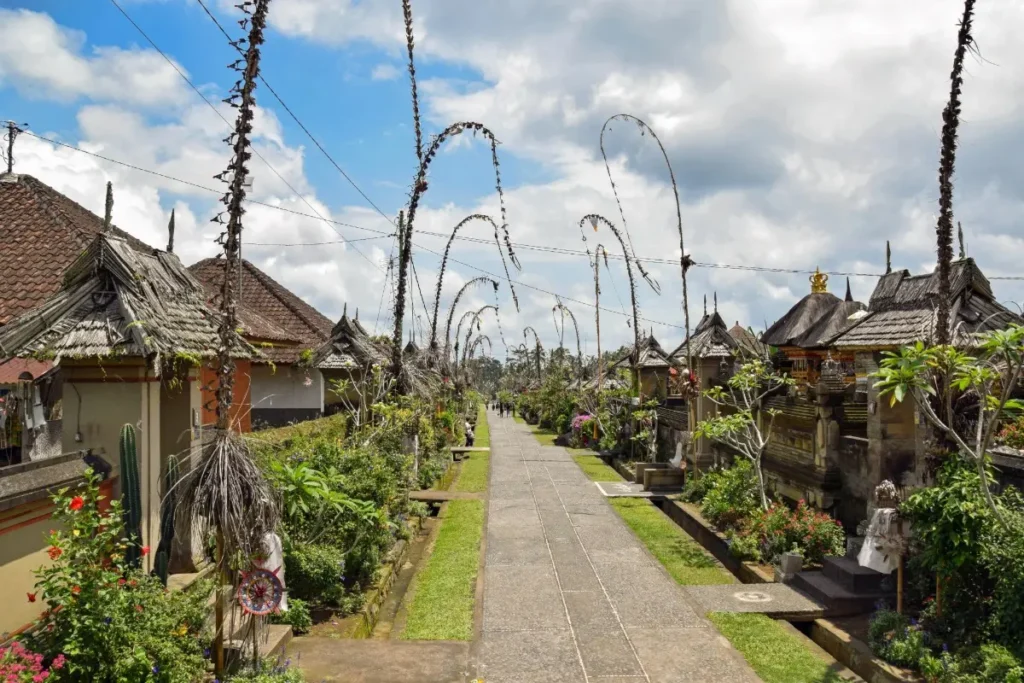
Another thing that makes the village special is its neat and uniform design. Almost every house has the same traditional gate called angkul-angkul, giving the village a beautiful and organized look.
Surrounded by a Bamboo Forest
This village is surrounded by around 45 hectares of bamboo forest that helps protect the environment and maintain water sources for the village.
The bamboo forest is also protected by traditional rules. Local residents cannot cut bamboo freely and must ask permission from the village elders. Bamboo is usually only used for ceremonies or traditional house renovations on special days.
Community-Based Tourism
Tourism in Penglipuran Village is managed directly by the local community, not by large companies. The income from entrance tickets is used to support village preservation and improve the welfare of local residents.
Visitors can also experience authentic local life in this traditional village in Bali. Tourists are welcome to walk around the village and even enter residents’ courtyards to see traditional Balinese architecture and daily activities.
Strong Traditional Rules and Culture
The people of Penglipuran Bangli still follow traditional laws known as awig-awig. These customary rules help maintain harmony, discipline, and respect within the village.
One of the most unique rules is the prohibition of polygamy. Men with more than one wife are not allowed to live in the main village area and must stay in a separate place called Karang Memadu.
The village also has very strict rules about cleanliness and behavior, which is one reason why crime rates are extremely low.
Because of its culture, peaceful atmosphere, and natural beauty, this village is also becoming one of the popular choices for travelers looking for an activity around Ubud while exploring a more traditional side of Bali.
What to Experience in Penglipuran Village
There are many unique experiences and things to do during your visit. From nature walks to cultural activities, this destination offers a peaceful way to explore traditional Balinese life.
Walk Through the Traditional Village Pathways
One of the first things to do here is to walk along the clean main pathway that stretches uphill through the village. The area is free from motorized vehicles, creating a calm and relaxing atmosphere.
You’ll also see rows of identical traditional gates called angkul-angkul, small gardens, and neatly arranged pathways that make the village look very organized and beautiful.
Explore the Penglipuran Bamboo Forest
A visit to the Penglipuran bamboo forest is something you need to try while exploring the village. Located on the northern side, this green area covers around 45 hectares and creates a cool and shady atmosphere.
The Penglipuran village bamboo forest is protected by traditional rules and serves as an important conservation area and water source for local residents. Walking through this peaceful forest is one of the most relaxing experiences in this bamboo village of Bali.
Learn About Traditional Balinese Family Compounds
Visitors can enter local family compounds to see the traditional house layout, including the Bale (pavilion), Paon (traditional kitchen), and Sanggah (family shrine).
Talking with local residents is also a great way to learn more about the daily life and communal culture that has been preserved for generations.
Try Local Snacks and Traditional Food
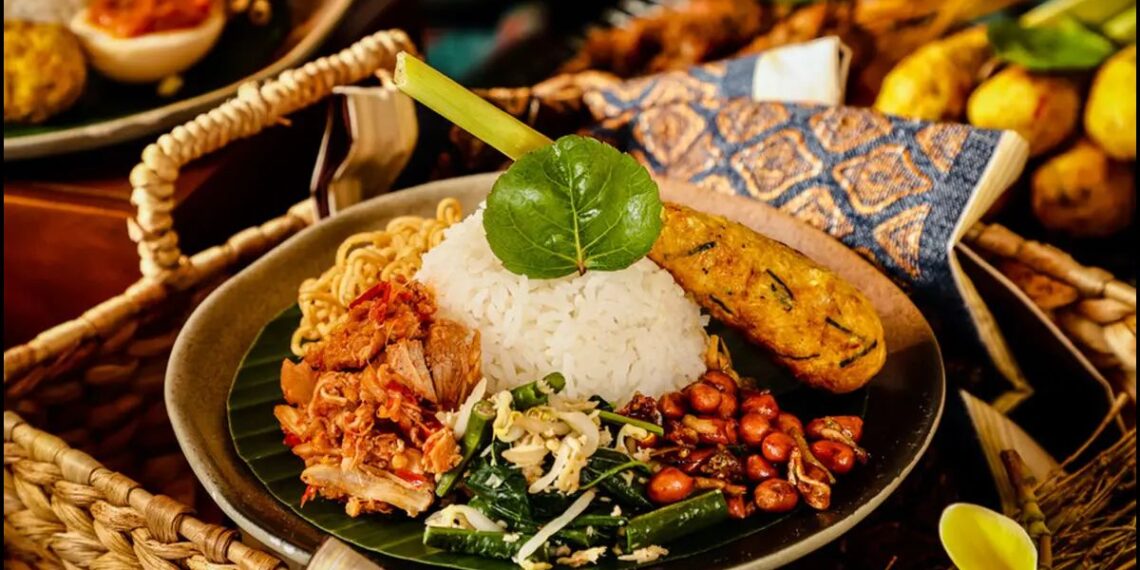
Another answer to what to do in Penglipuran Village is tasting local food and drinks sold by residents in front of their homes.
One famous drink is Loloh Cemcem, a refreshing herbal drink made from cemcem leaves with a sweet, sour, and slightly salty taste.
You can also try traditional Balinese snacks like jaje Bali and tipat cantok, which are simple local dishes loved by visitors.
Enjoy Cultural Photography Spots
The village is also popular for photography because of its symmetrical pathways, bamboo architecture, natural stone elements, and green surroundings.
If you visit during Balinese celebrations like Galungan, you may also see beautiful rows of penjor decorating the main street, creating an even more stunning cultural atmosphere.
Best Time to Visit Penglipuran Village
Planning your visit at the right time can help you enjoy a more peaceful atmosphere and better views during your trip.
Visit in the Morning for the Best Atmosphere
The best time to come is between 7:00 AM and 9:00 AM WITA. During these hours, the air is still cool, the village is quieter, and the lighting is perfect for photos.
The soft morning sunlight also makes the bamboo and traditional stone architecture look even more beautiful. If you are checking the Penglipuran Village opening hours, arriving early is highly recommended.
Visit During Cultural Festivals
One reason why is Penglipuran Village is worth visiting is because of its cultural atmosphere, especially during traditional festivals.
During celebrations like Galungan and local cultural events, the village becomes more lively with rows of decorated penjor, traditional performances, cultural parades, and local art shows. This is one of the best moments to experience a true cultural village Bali atmosphere.
Consider the Weather During the Rainy Season
Because the village is located in the highlands of Bangli, the area receives more rainfall compared to southern Bali.
If you visit between November and March, it is better to come in the morning because rain usually starts in the afternoon or evening. Since most activities are outdoors, bringing an umbrella or raincoat is a good idea.
Avoid Peak Tourist Hours
Try to avoid visiting between 11:00 AM and 3:00 PM. During this time, many tour buses arrive, and the village pathways can become crowded.
The midday weather can also feel warmer while walking uphill around the village. If you are looking for what to do in the dry season, visiting early in the day during Bali’s dry months is usually the most comfortable option for exploring the area.
Important Tips Before Visiting Penglipuran Village
Before visiting, there are several important things you should know to make your trip more comfortable while respecting local traditions and the village environment.
Opening Hours and Penglipuran Village Entrance Fee
The village is open daily from 8:00 AM to 5:00 PM WITA.
The Penglipuran Village entrance fee is quite affordable, with different prices for domestic and international visitors. Children usually get lower ticket prices. The ticket payment is used to support village maintenance and preservation.
Transportation and Parking Information
You can reach the village by motorcycle, private car, or tour bus. The location is around 1.5 to 2 hours from South Bali areas like Kuta or Seminyak.
There is a large parking area outside the residential zone. Since vehicles are not allowed inside the main village pathway, all visitors must continue exploring on foot.
Respect Local Customs and Village Rules
Keeping the village clean is very important. Always throw trash in the bins provided along the pathways.
Visitors are welcome to enter local family compounds, but it is polite to greet residents first by saying “Om Swastyastu” or asking permission before entering.
Because this is still an active residential area, visitors should also avoid making loud noises to respect the privacy of local families.
Wear Comfortable and Respectful Clothing
Even though visitors are not required to wear traditional Balinese clothes, modest clothing is still recommended when exploring cultural areas. Clothes that cover the shoulders and knees are considered more respectful.
Comfortable footwear is also important because the pathways are uphill, and visitors usually walk a lot, especially when exploring the bamboo forest area.
After exploring the village, many visitors also enjoy trying local snacks and simple Bali food sold by residents around the area for a more complete cultural experience.
Places to Visit Near Penglipuran Village
After exploring the village, you can continue your trip to several beautiful destinations around Bangli and Kintamani. These nearby places offer natural scenery, cultural experiences, and relaxing spots to enjoy during your journey.
Kintamani Viewpoints
Kintamani is located around 30 minutes north of the village and is famous for its stunning views of Mount Batur and Lake Batur.
Along Jalan Raya Penelokan, you will find many viewpoints with panoramic scenery overlooking the Batur caldera. The area is especially beautiful during the morning when the sky is clear and the mountain is surrounded by light mist.
Tukad Cepung Waterfall
This waterfall is located around 25–30 minutes away and is known for its unique location inside a cave-like rock formation.
One of the main highlights is the sunlight that shines through the cliffs between 9:00 AM and 11:00 AM, creating a magical spotlight effect that makes the waterfall look very cinematic and beautiful for photos.
Traditional Villages Around Bangli
You can also visit Bayung Gede Village, an ancient Bali Aga village believed to be the origin of the local community. The village is known for its unique traditions and preserved culture.
Another interesting stop is Kehen Temple, one of the oldest temples in Bali. The temple features beautiful terraced architecture and a large banyan tree in its courtyard, creating a peaceful and historic atmosphere.
Cafes and Restaurants Near Kintamani
The Kintamani area is now filled with modern cafes and restaurants that offer amazing mountain views.
Many places have open-air seating facing Mount Batur, making them perfect for relaxing after your trip. Visitors often come here to enjoy local Kintamani coffee, lunch with scenic views, or simply enjoy the cool mountain atmosphere before returning to southern Bali.
The Balance Between Tourism and Tradition in Penglipuran Village
One of the things that makes this village special is how it successfully protects its culture and traditions while welcoming visitors from around the world.
- Tourism Comes After Tradition
In the village, preserving tradition is always the main priority. Tourism is seen as a way to support local culture, not something that changes or replaces it.
Because of this, visitors will not find large billboards, modern commercial buildings, or luxury villa developments inside the village area. The community carefully protects the traditional layout and atmosphere that has existed for generations. - Strong Community Efforts to Preserve Culture
The village is managed directly by the local community through a traditional management system. This means tourism income helps support local residents and village preservation instead of outside investors.
Younger generations are also actively involved in protecting the village’s identity. They help maintain cleanliness, care for the bamboo forest, and continue traditional ceremonies and customs passed down by their ancestors. - Why Cultural Villages Are Important in Modern Bali
As many tourism areas in South Bali continue to grow into busy modern destinations, cultural villages like this help preserve the spiritual and cultural side of Bali.
The village also shows that protecting nature, maintaining traditions, and following customary laws can create sustainable tourism while keeping the authentic character of Bali alive for future generations.
A Village That Chose to Stay Itself
Whether you come for the peaceful atmosphere, cultural experiences, or natural beauty, Penglipuran Village remains one of the best places to experience the authentic side of Bali.
From its traditional village pathways and bamboo forest to its strong local traditions, this destination offers a memorable journey for every traveler. For more travel inspiration and the best local recommendations, explore Bali together with Insight Bali.