When visiting temples in Bali, it’s important to dress modestly and respect local religious customs. Your shoulders and knees should be covered, and visitors are usually expected to wear a sarong (kamen) with a sash (senteng) tied around the waist.
This article explains the Bali temple dress code in a simple way, including what you should wear and the basic etiquette to follow when visiting some of Bali’s major temples.
Table of Contents
ToggleWhat Bali’s Temple Dress Code Actually Requires
For the Uluwatu Temple dress code, every visitor, whether coming to pray or simply explore, should follow a few basic clothing rules to respect the sacred area:
- Sarong (Kamen): Wear a sarong that covers your lower body from the waist down to the ankles.
- Sash (Senteng): Tie a sash around your waist over the kamen. Traditionally, it represents controlling negative thoughts and worldly desires while entering a sacred place.
- Upper-body clothing: Choose modest clothing that covers your shoulders and chest. Tank tops, crop tops, and other revealing clothes are not suitable.
If you are wondering what to wear to Uluwatu Temple, comfortable clothing that covers your shoulders and knees, together with a sarong and sash, is the safest choice.
Dress Code by Body Area: Shoulders, Knees, and Footwear
- Shoulders & Chest
Your shoulders and chest should be properly covered. A T-shirt, sleeved blouse, button-down shirt, or traditional kebaya is suitable.
Avoid singlets, tank tops, off-shoulder tops, and crop tops. This is especially important when checking the Bali temple dress code that female visitors are expected to follow. - Knees & Legs
Your legs should be covered from around the knees down to the ankles with a sarong (kamen), secured neatly with a sash (senteng).
Shorts, short skirts, and dresses with high slits are generally not appropriate. If you are unsure what to wear in Bali temples, modest clothing with a sarong and sash is the easiest option. - Footwear
Shoes and sandals are usually fine in the outer temple area, known as Jaba Pisan. Before entering the main prayer area or Jeroan, footwear should be removed.
Avoid wearing shoes or sandals inside tiled sacred spaces and prayer courtyards.
What to Wear for Women, Men and Children
Dress rules are part of basic Bali temple etiquette and generally apply to everyone, including women, men, and children. The main idea is simple: dress modestly and wear the traditional sarong and sash Bali temples require.
- Women
Women should wear a modest top that covers the shoulders and chest, such as a sleeved T-shirt, shirt, or traditional Balinese kebaya.
For the lower body, wear a long sarong (kamen) reaching the ankles, secured neatly with a sash (senteng) around the waist. Long hair should also be tied back neatly. According to traditional temple customs, women who are menstruating or in the postpartum period are not permitted to enter temple grounds. - Men
The Bali temple dress code for male visitors is quite similar. Men should wear a modest sleeved shirt or T-shirt together with a long kamen and senteng around the waist.
Even when wearing long trousers, a sarong is generally worn over them when entering the temple. Men joining a full prayer ceremony may also wear a traditional Balinese headcloth called an udeng. - Children
For children, temple attire guidelines in Bali are usually similar to those for adults. Boys and girls should wear clothing that covers the shoulders, along with a small sarong and sash.
Babies and young toddlers are generally dressed in comfortable, modest clothing. Those who cannot yet walk or have not reached the traditional mepupus stage may be allowed to enter without a full kamen when accompanied by their parents.
Renting Versus Bringing Your Own Sarong and Sash
When visiting temples in Bali, you can either borrow or rent a sarong and sash at the temple, or bring your own. Both options are fine, so it mostly comes down to convenience and comfort.
- Renting or Borrowing at the Temple
Many major temples provide a kamen and sash for visitors, often included with the entrance ticket.- Pros: Convenient, especially if you do not want to carry extra Bali temple clothing during the day.
- Cons: Sizes and patterns may be limited, the fabric is shared with other visitors, and queues can get longer during busy periods. Smaller temples may not provide them at all.
- Bringing Your Own
Bringing your own sarong and sash is a good option if you plan to visit several temples.- Pros: More comfortable and hygienic, easier to get the right fit, and you can choose your preferred style. It also makes following temple etiquette in Bali much easier without relying on temple facilities.
- Cons: You will need to carry the sarong and sash in your bag while traveling.
Understanding Temple Zones: Nista, Madya, and Utama Mandala
Balinese temples are usually divided into three sacred areas, known as Tri Mandala. Each zone has its own level of importance and different Bali temple rules to follow.
- Nista Mandala (Outer Zone)
This is the outer area near the temple entrance, where visitors usually gather before going further inside. Modest clothing is still expected, but footwear is generally allowed here. - Madya Mandala (Middle Zone)
The middle courtyard is often used for ceremony preparations and traditional performances. Visitors should wear proper Bali temple attire, including a kamen (sarong) and sash, while keeping their voices low and behaving respectfully. - Utama Mandala (Main Zone)
This is the most sacred part of the temple and has the strictest rules. Visitors entering this area are generally expected to wear full traditional clothing and remove their footwear. Access may also be limited to people who are taking part in worship.
If you are unsure what to wear to Bali temples, modest clothing with a sarong and sash is the safest choice before entering the more sacred areas.
Are There Areas Tourists Cannot Enter?
Most temples in Bali welcome visitors, but some areas are more sacred and may be closed to tourists. Following basic Balinese temple etiquette means knowing where you are allowed to go and respecting any signs or instructions from temple staff.
Public Visitor Areas
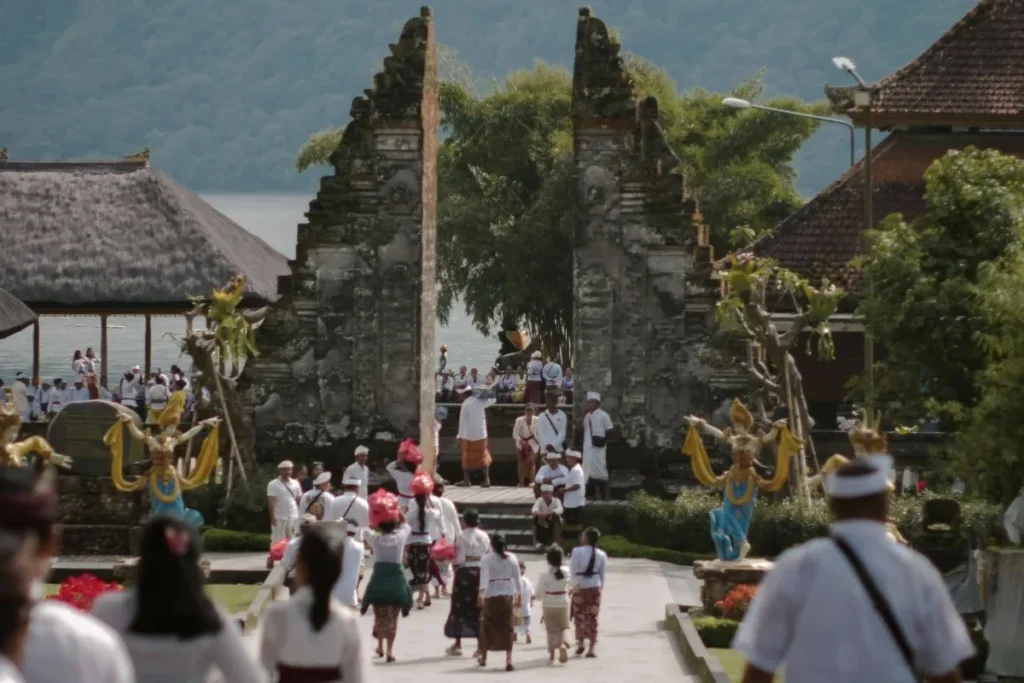
The outer area, or Nista Mandala, and some parts of the middle courtyard, or Madya Mandala, are usually open to tourists. During your Bali temple visit, you can walk around, enjoy the architecture, and take photos as long as you wear a kamen (sarong) and sash and behave respectfully.
Restricted Sacred Areas
The innermost area, known as Utama Mandala or Jeroan, is the most sacred part of the temple and may be reserved for worshippers. Tourists who are not there to pray may not be allowed to enter.
Traditional restrictions can also apply to people who are menstruating, have recently given birth, or are considered to be in a period of ritual impurity known as cuntaka.
Why Access Rules Can Be Different
Rules can vary from one temple to another depending on how sacred the temple is and how many visitors it receives.
Major tourist temples such as Uluwatu and Tanah Lot usually have designated visitor paths, allowing tourists to observe sacred areas without entering them. Temples such as Besakih and Lempuyang may have stricter access to worship areas, while smaller village temples can have different rules, especially when a ceremony or odalan is taking place.
Dress Code on Ceremony Days Versus Regular Visits
The Bali temple dress code can be a little stricter during religious ceremonies or major holy days. What you wear on a normal visit may not always be enough when a ceremony is taking place.
- Ordinary Days
For a regular temple visit, modest clothing is usually enough.
– Upper body: Wear a T-shirt or casual shirt that covers your shoulders and chest.
– Lower body: A sarong sash is required combination is standard. Wear a kamen (sarong) in any suitable color with a senteng tied around the waist.
– For men: An udeng or traditional headcloth is generally not required for a normal sightseeing visit.
The main focus is simply dressing respectfully and maintaining the sacred atmosphere of the temple. - Religious Ceremony Days
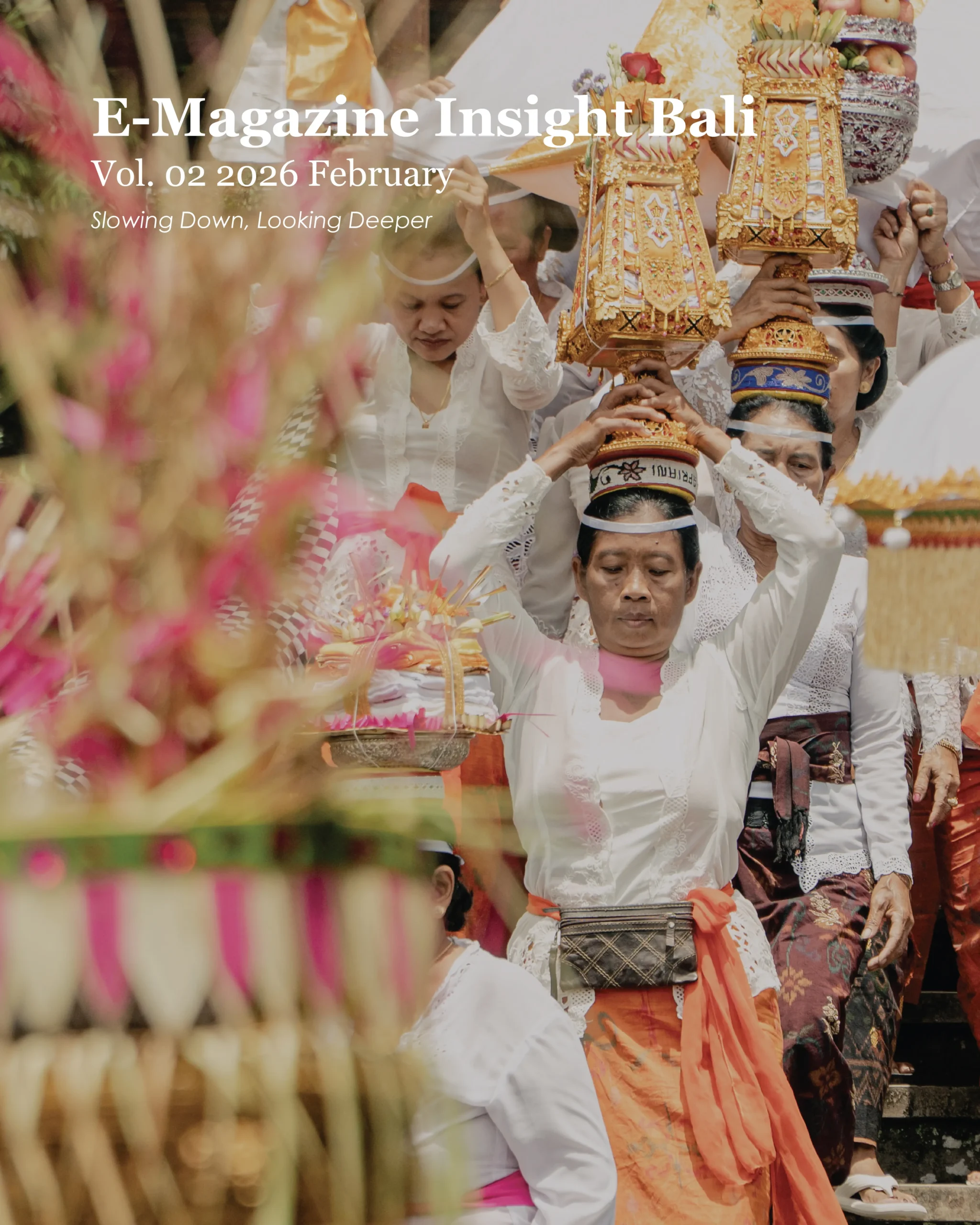
During an odalan or major religious ceremony, the dress code becomes more traditional and formal.- Upper body: Traditional Balinese clothing is expected, often in white or yellow. Women usually wear a kebaya, while men wear a traditional sleeved shirt.
- Lower body: A neatly worn kamen is required. Men may also wear a saput, an additional cloth over the sarong, together with an udeng.
- Main purpose: Dressing properly shows respect for worshippers and helps visitors fit into the sacred atmosphere of the ceremony.
Special Rules Visitors Should Know
Besides the Tanah Lot Temple Bali dress code, visitors should also be aware of rules related to ritual purity, known as kuntaka or cuntaka. These rules are part of Balinese Hindu tradition and should be respected when entering a temple.
Menstruation and Temple Entry
Women who are menstruating or in the postpartum period are traditionally not allowed to enter temple grounds. This is connected to Balinese Hindu beliefs about maintaining the spiritual purity of sacred spaces.
Open Wounds and Other Restrictions
Visitors with bleeding wounds may also be asked not to enter. Similar restrictions can apply to families in a mourning period after the death of a close relative, as well as to very young infants under certain traditional customs.
Visiting During a Religious Ceremony
If a ceremony is taking place, give priority to worshippers. Avoid walking in front of people who are praying, keep your voice low, and do not use camera flash during rituals.
Follow Each Temple’s Local Rules
Rules can be slightly different from one temple to another. Always check the signs at the entrance and follow instructions from temple staff, local guides, or religious attendants before going inside.
The Bali Governor’s Circular Letter and What It Means for Visitors
The Bali Provincial Government has introduced Governor Circular Letter No. 7 of 2025, updating the previous 2023 guidelines on tourist behavior. For temple visitors, the main rules are simple:
- Dress modestly: Visitors should wear clothing that properly covers the body and respects local religious customs while in sacred areas.
- Do not enter the main sacred area: Tourists are generally not allowed to enter the Utamaning Mandala unless they are there to pray, are wearing complete traditional Balinese ceremonial clothing, and meet the temple’s ritual requirements.
- Respect sacred places: Disrespectful behavior, damaging religious symbols, or taking inappropriate photos can lead to serious penalties, including legal action and possible deportation.
What to Pack for a Day of Temple Visits
A few simple items can make visiting several temples much easier:
- Sarong (kamen) and sash (selendang): Bringing your own is more comfortable and saves you from queuing to borrow or rent one.
- Sleeved top or shawl: Useful for quickly covering your shoulders when needed.
- Easy-to-remove sandals: A practical choice because footwear may need to be removed before entering certain sacred areas.
- Change of clothes and spare undergarments: Recommended if you plan to join a melukat water purification ritual, such as at Tirta Empul.
- Small footwear bag: Handy for keeping your shoes or sandals together when you leave them outside the prayer area.
Frequently Asked Questions About Bali Temple Dress Code
Here are simple answers to some common questions about what to wear when visiting temples in Bali.
- Can I wear long trousers without a sarong?
Usually, no. Even if you are wearing long trousers, you may still be expected to wear a kamen (sarong) around your waist together with a sash (senteng) before entering the temple. - Do children need to follow the dress code too?
Yes. Children who can already walk should wear modest clothing, along with a kamen and sash. Babies and toddlers can usually wear comfortable, modest clothing without the full temple outfit. - What if I don’t bring a sarong and sash?
No problem. Many major temples provide sarongs and sashes at the entrance. They may be included in the entrance fee or available to borrow or rent for a small charge. - Can I wear flip-flops to the temple?
Yes. Flip-flops or slip-on sandals are actually practical because they are easy to remove when entering areas where footwear is not allowed. - Why can’t menstruating women enter some temple areas?
In Balinese Hindu tradition, menstruation is connected to the concept of ritual purity known as cuntaka. The restriction is part of local religious customs intended to maintain the sacredness of the temple area.
Carrying This Respect Beyond the Temple Gate
Understanding the Bali temple dress code is about more than choosing the right clothes.It is also a simple way to show respect for Balinese culture, sacred spaces, and the people who worship there. By dressing modestly, following local rules, and being mindful during your visit, you can enjoy Bali’s temples in a more meaningful way. For more practical travel tips and the best guides to explore the island, discover more with Insight Bali.