Nyepi in Bali in 2026, which marks the Saka New Year 1948, will take place on March 19, 2026. This special day gives visitors a rare chance to experience the island in complete stillness during nyepi, when streets are empty and the night sky appears clearer without light pollution.
In this article, you’ll find helpful information about the meaning of this Bali silent day, the traditions behind it, and the important things visitors should know before the celebration. From the lively Ogoh-Ogoh parade the day before to the peaceful atmosphere on the day itself, Nyepi also offers some of the most unique activities and cultural experiences you can witness in Bali.
Table of Contents
ToggleWhat Is Nyepi? The Meaning Behind Bali’s Silent Day
Nyepi is a sacred Hindu day celebrated as the Saka New Year and a time for purification, both for individuals and for the universe. During Nyepi Bali 2026, the island pauses for 24 hours, creating a moment of complete stillness.
Unlike typical New Year celebrations with parties and fireworks, Nyepi is observed by stopping most daily activities so Bali can symbolically “rest” and return to balance. The meaning of Nyepi is closely connected to Catur Brata Penyepian, which includes four main restrictions.
Before the day arrives, many travelers also take time to visit a famous temple before Nyepi to experience the spiritual atmosphere of the island. It’s also wise to check your visa and travel plans in advance, since transportation and services temporarily stop during the celebration.
The Four Rules of Nyepi (Catur Brata Penyepian)
During Nyepi Bali, the island observes four important rules known as Catur Brata Penyepian. These rules help create the quiet atmosphere, which lasts for 24 hours, from sunrise to sunrise the next day.
Amati Geni (No Fire or Light)
This rule means people should avoid lighting fires, lamps, or bright lights. It also symbolically represents controlling negative emotions such as anger and desire. During the Day of Silence in Bali, even street lights and many electronic devices are minimized to keep the island peaceful.
Amati Karya (No Working)
All work and business activities stop during Nyepi day Bali. Offices, shops, and tourist attractions remain closed so everyone can focus on rest, reflection, and spending quiet time with family.
Amati Lelungan (No Traveling)
People are not allowed to leave their homes or travel around the island. Roads become completely empty, allowing nature to rest from traffic and noise. This calm environment feels very different from a typical busy rainy day in Bali, when people still continue their daily routines.
Amati Lelanguan (No Entertainment)
Entertainment activities such as watching television, playing music, or hosting events are avoided. Instead, the day is meant for meditation, self-reflection, and spiritual balance. The quiet atmosphere follows a series of rituals performed earlier, including Bhuta Yajna, which symbolizes cleansing negative energies before the silent day begins.
What Happens Before Nyepi: The Rituals Leading Up to Silence
Before the island enters its quiet moment during the Nyepi festival Bali, a series of vibrant rituals take place across the island. These ceremonies are meant to purify the universe and remove negative energy before the new Saka year begins.
- Melasti Ceremony
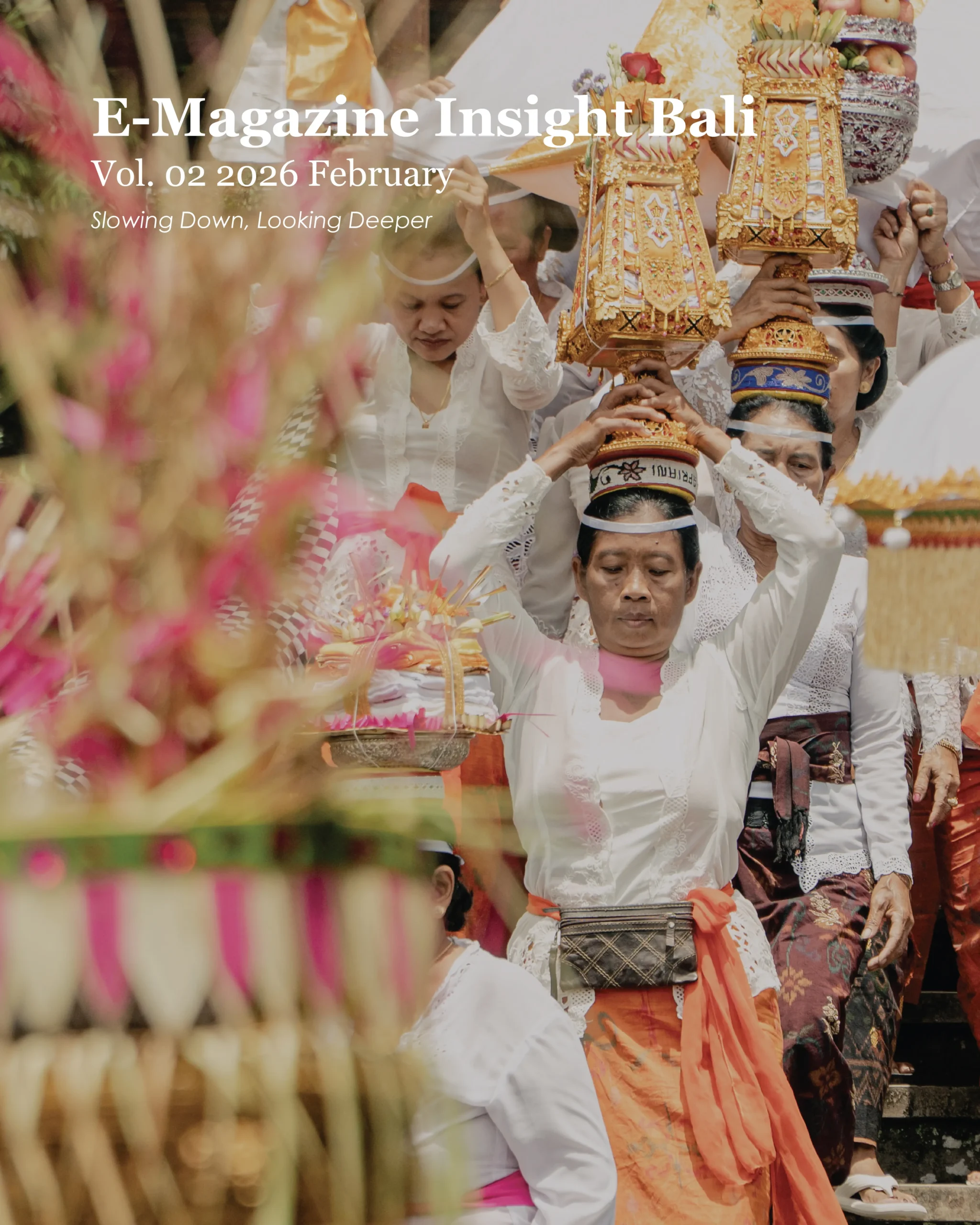
Several days before Nyepi, thousands of Balinese Hindus walk together toward the sea or sacred water sources to perform the Melasti ritual. During this procession, people carry temple objects and offerings while wearing beautiful traditional clothes.
The ceremony symbolizes spiritual cleansing, where sacred items and the surrounding environment are purified using holy water from the ocean. - Tawur Kesanga and Mecaru
On the day before Nyepi, communities perform rituals known as Tawur Kesanga and Mecaru. These ceremonies are held in neighborhoods, temples, and road intersections to restore balance between humans and nature.
The rituals prepare the island for silence, creating a meaningful moment that can be an alternative to exploring Bali’s local food or other typical travel activities. - Ogoh-Ogoh Parade
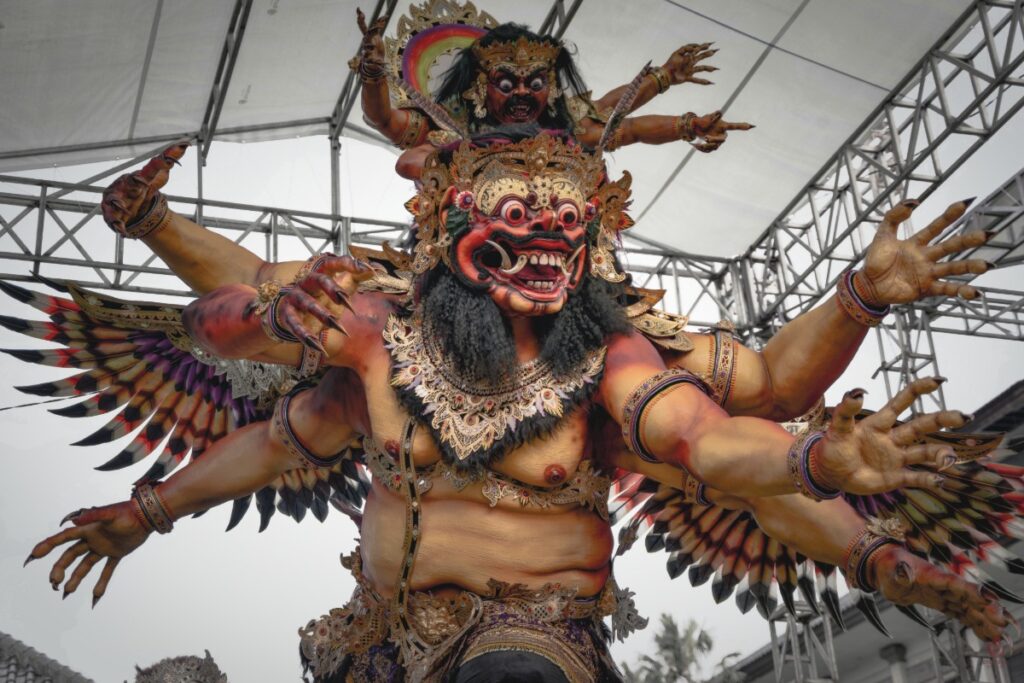
The highlight of the celebration happens on the evening of Pengerupukan Nyepi, when large demon-like statues are paraded through the streets. These statues represent negative forces and are accompanied by lively gamelan music.
During Ogoh-Ogoh Bali 2026, the statues will once again be carried around villages before being symbolically burned, representing the cleansing of bad energy before the Day of Silence begins.
Positive Impacts of Nyepi
Nyepi lasts for 24 hours, starting from 6:00 a.m. until 6:00 a.m. the following day. During the Bali Day of Silence 2026, the entire island pauses its usual activities, creating noticeable benefits for both nature and the community.
- Improved Air Quality and Environmental Recovery
With no motorized vehicles on the road and most businesses temporarily closed, air pollution drops significantly. This break allows the environment to recover naturally, and many people notice the air feels fresher and cleaner the next morning. - Energy Conservation
Since electricity usage is greatly reduced across the island, Nyepi also helps save a large amount of energy in a short time. One visible effect is the incredibly clear night sky, as the lack of lights removes most light pollution. - Less Noise Pollution
During Nyepi, Bali becomes unusually quiet. Instead of hearing traffic and busy city sounds, people can enjoy the natural sounds of birds, insects, and the surrounding environment. The peaceful atmosphere often brings a calming and refreshing feeling for both locals and visitors. - Time for Reflection and Cultural Connection
Nyepi also encourages people to slow down and reflect. By following the Nyepi Bali rules, many residents spend more time with their families and focus on personal reflection.
The celebration itself is based on the Balinese Hindu calendar, reminding communities of the importance of balance between humans, nature, and spiritual life.
What Tourists Need to Know Before Spending Nyepi in Bali
Experiencing Nyepi in Bali can be a truly unique moment for travelers, but it requires some preparation since the entire island pauses for 24 hours. Understanding a few important rules will help you enjoy the experience while respecting local traditions.
- Transportation and Travel Arrangements
- During Nyepi, access to the island is temporarily closed.
The airport and all seaports stop operating for 24 hours starting from 6:00 a.m. It’s best to arrange your travel plans so you arrive at your hotel at least one day before Nyepi begins. - Land transportation also stops completely.
There are no taxis, ride-hailing services, or public transportation operating on this day. Roads remain empty except for emergency vehicles and local security officers known as Pecalang who help monitor the situation. - Hotel Facilities and Basic Needs
Most hotels remain open for guests during Nyepi, although lighting in public areas is usually reduced. Guests are free to stay within the hotel area and enjoy the facilities quietly.
Some resorts also offer special experiences or a Nyepi package in Bali so visitors can still relax during the silent day.
Even though hotels normally provide meals, it’s still a good idea to prepare some snacks, extra drinking water, and any personal medicine you may need. Shops, minimarkets, and ATMs across the island will be closed for the entire day. - Lighting and Internet Guidelines
At night, guests are asked to keep the curtains closed so light from inside the room is not visible from outside. Local security officers regularly patrol neighborhoods to ensure the island remains dark and peaceful.
Mobile data and internet services may also be limited or temporarily turned off during Nyepi to maintain the quiet atmosphere. However, some hotels may still provide restricted Wi-Fi access for guests when necessary.
Why Nyepi Matters Beyond the Tourist Experience
Experiencing Nyepi Bali 2026 is a rare opportunity to witness one of the most unique cultural traditions in the world, where the entire island pauses for a full day of silence, reflection, and balance. From the vibrant Ogoh-Ogoh parade before the silent day to the peaceful atmosphere that follows, Nyepi offers a deeper understanding of Balinese culture and spirituality.
With proper preparation and respect for local traditions, visitors can turn this moment into a memorable part of their journey. For more travel tips, cultural insights, and the best recommendations while visiting the island, Insight Bali is your trusted guide to exploring Bali.