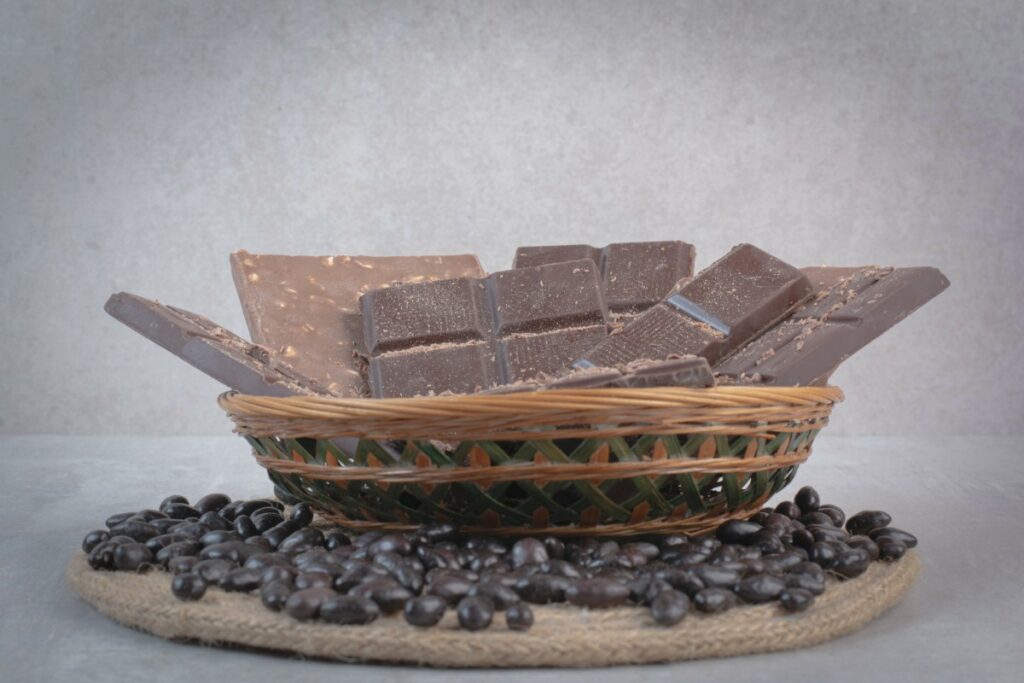
Bali Chocolate Factory experiences have become a must-try for visitors, as the island transforms local cocoa into world-class treats right before your eyes. What makes Balinese chocolate special is the farm-to-bar approach, where every step, from growing the beans to crafting the final bar, happens locally.
This article will provide you with information about delicious Balinese chocolate before you buy it as a souvenir. Here are Bali’s chocolate revolutions, the island’s bean-to-bar transformation.
Table of Contents
ToggleThe Origins of Artisanal Chocolate in Bali
According to insights from Primo Chocolab and Elite Havens, the story of Indonesian chocolate began modestly. For years, Bali, especially the regions of Jembrana and Tabanan, was simply a source of raw cocoa beans, shipped overseas at low prices.
But in the early 2000s, producers started to realize the island’s volcanic soil was something special. When handled with care, Balinese cocoa could unlock bright, fruity, and citrusy flavors you just don’t find anywhere else.
That discovery sparked a movement. Local and international chocolate lovers began introducing the bean-to-bar method to the island. Instead of bringing in cocoa powder from abroad, they bought it directly from nearby farmers.
The focus shifted from growing more beans to growing better ones—and fermentation became the secret ingredient. That’s when Balinese chocolate truly began to develop its signature depth and aroma.
Soon, small-batch makers started setting up shop. These weren’t large factories, they were boutique spaces where European techniques like conching and tempering met pure Balinese ingredients.
Pioneers like Pod Chocolate (now known as Junglegold) and Cau Chocolate proved that you could craft world-class chocolate right in the tropics, just steps from where the cacao trees grow.
Today, visiting a chocolate factory in Bali is about more than just tasting samples. It’s an experience. Travelers can walk through plantations, crack open cacao pods, and taste chocolate in its purest form, from bean to bar. It’s no longer just a treat; it’s a craft, a story, and a taste of the island itself.
Even now, these chocolates have also made their way into cafes that focus on chocolate or cute coffee shops in Bali.
What Makes Balinese Chocolate Different
If you’ve ever wondered why Balinese chocolate tastes different from the usual bars on the shelf, it all comes down to five simple things, starting with the bean itself.
- A Flavor You Won’t Find Elsewhere
Cocoa beans from Bali, especially those grown in Jembrana, carry a naturally fruity flavor with a bright, citrusy twist. While chocolates from West Africa tend to be more nutty and earthy, Balinese chocolate feels lighter and more complex on the tongue. It’s the kind of taste that lingers in a surprisingly refreshing way. - Thank the Volcanic Soil
You’ve probably heard the term terroir thrown around in wine talk; well, it applies to chocolate, too. Bali’s cocoa trees are rooted in rich volcanic soil, packed with minerals that shape the beans’ character long before they’re even harvested. That earthy sweetness? It starts in the ground. - Old-School Farming with a Modern Touch
Walk through a Balinese cocoa farm, and you’ll notice something right away: the trees don’t grow alone. Farmers still use traditional methods, planting cocoa alongside coconut, banana, or vanilla.
This “intercropping” isn’t just practical, it subtly influences the beans’ aroma. Many farms also shy away from chemicals, choosing organic fertilizers instead. The result is a cleaner, purer chocolate. - Fermentation Is Everything
Here’s where the magic really happens. In the past, cocoa beans were simply dried and shipped. But today’s artisan makers, the same ones behind bean-to-bar chocolate Bali is now known for, take fermentation seriously.
They work hand-in-hand with farmers to ferment the beans over several days, carefully unlocking those fruity notes while stripping away bitterness. It’s a small step that makes a massive difference. - Sweetened the Local Way
Forget refined white sugar. Many Balinese chocolatiers turn to local alternatives that add depth and character. Coconut sugar brings a soft caramel sweetness with a lower glycemic punch.
In some small-batch bars, you might even find a hint of local honey or arak, giving the chocolate a distinctly Balinese soul.
Inside a Bali Chocolate Factory
Stepping inside an artisan chocolate factory in Bali is a treat for the senses. Unlike the cold, sterile feel of mass-production plants, these spaces blend modern equipment with old-school craftsmanship. It’s warm, aromatic, and surprisingly personal.
If you’re putting together a list of top things to do in Bali, add a chocolate tour to it. Not only do you get to taste incredible chocolate, but you also get to see exactly how it’s made. Here’s what you can expect when you peek inside:
- The Smell Hits You First
According to Bali chocolate factory reviews, the moment you walk in, you’re wrapped in the deep, sweet scent of cocoa. The room is kept cool, not just for comfort, but to keep the cocoa butter stable as it goes through each stage of production. - Beans Get Hand-Picked
Quality control starts here. You’ll see workers carefully sorting through dried cocoa beans by hand, picking out only the best ones. Anything flawed? Tossed. Only the whole, uniform beans make it to the next round. - Roasting and Cracking
- Winnowing: A machine gently cracks the beans and blows away the shells, leaving behind small pieces called cocoa nibs. These little bits are the purest form of chocolate, crunchy, bitter, and packed with goodness.
- Roasting: The beans go into a roaster, and this is where the magic begins. The heat unlocks Bali’s signature fruity and floral notes.
- The Machines Keep Grinding… and Grinding
You’ll spot large granite grinders slowly turning, sometimes for days at a time. This is conching, where the nibs are ground into a smooth liquid (chocolate liquor).
Depending on the recipe, this is also when local ingredients like coconut sugar or milk are added. - Tempering: The Secret to That Perfect Snap
Before the chocolate can be molded, it has to go through tempering, a careful process of heating and cooling. This is what gives good chocolate that glossy shine, that clean snap when you break it, and that smooth melt-in-your-mouth feel. - Molding and Wrapping by Hand
In the final room, the liquid chocolate is poured into molds, some simple, some beautifully designed. In many small factories, each bar is still wrapped by hand, often in recycled paper or wrappers printed with traditional Balinese batik patterns.
The Role of Local Farmers in the Chocolate Movement
In Bali’s artisan chocolate world, farmers are so much more than just suppliers. They’re the heart of the entire process, the reason that bean-to-bar chocolate from this island tastes so extraordinary.
The rise of the artisan movement has transformed local growers from simple commodity laborers into respected craftsmen.
If you’re wondering what to do in Bali that’s both meaningful and delicious, visiting a chocolate village or farm should be high on your list. You’ll quickly see why farmers are the unsung heroes behind every bar.
Here’s how they make all the difference:
- They’ve Mastered the Art of Fermentation
Not long ago, most farmers sold unfermented beans, dried and shipped without much thought. Today, thanks to the artisan movement, they’re trained to ferment their beans carefully for nearly a week.
This isn’t just a chore; it’s a craft. Those few days of controlled fermentation unlock the bright, fruity, and floral notes that make Balinese chocolate so special. Get this stage wrong, and you’ve lost the magic. Get it right, and you have something world-class. - They’re Farming with the Future in Mind
Walk through farms in Jembrana or Tabanan, and you’ll notice something refreshing, no harsh chemicals. Farmers have moved away from synthetic pesticides and now embrace organic methods.
They use natural fertilizers and plant cocoa alongside coconut or fruit trees. It’s a system that keeps the volcanic soil healthy and, in turn, produces beans with a cleaner, purer flavor. - They’re Partners, Not Just Producers
Here’s where the model changes everything. Artisan chocolate makers don’t buy beans from anonymous markets. They buy directly from farmers or local cooperatives, and they pay well above global commodity prices.
This isn’t charity; it’s good business. It gives farmers a real reason to keep growing cocoa instead of selling their land. That stability means better beans, year after year. - They’re Keeping Tradition Alive
For many families in Bali, cocoa farming isn’t just a job, it’s a heritage. And now, with the artisan movement bringing recognition and better income, the younger generation is taking notice.
They’re choosing to stay on the land, proud to carry on a tradition that’s finally getting the respect it deserves. - They’re Innovating in the Field
You might picture farming as old-school, but these farmers are constantly experimenting. They’re learning grafting techniques to grow hardier trees.
They’re testing drying times and humidity levels to coax out even more flavor. In their own quiet way, they’ve become scientists, always refining, always improving. Brands like Jungle Gold Chocolate Bali are proof that this collaboration works.
Artisanal Chocolate vs Mass Market Chocolate
- What Goes Inside
Artisan chocolate, like the bars crafted by Mason Chocolate bali or Krakakoa Bali, puts cocoa first. We’re talking high cocoa content, often above 60% for dark chocolate, with real cocoa butter as a base. It’s honest, simple, and rich.
Mass-market chocolate? It’s often more sugar and vegetable oil (yes, like palm oil) than actual cocoa. The cocoa butter is frequently stripped out and sold to the cosmetics industry, replaced with cheaper fats that cut costs, but also cut quality. - How It Tastes
Take a bite of artisan chocolate and let it melt. You might catch hints of berry, a whisper of flower, or something almost like citrus. That’s the terroir talking, the soil, the rain, the Balinese sun, all captured in a single bar.
Mass-market chocolate, on the other hand, is engineered to taste the same everywhere. Every bar, every country, every time. It’s sweet, sure, but that complexity? Covered up by a fog of synthetic vanilla. - How It’s Made
Artisan makers work in small batches. They let their conching machines run for days, sometimes up to 72 hours, slowly refining the texture without burning off those delicate flavors.
Commercial chocolate is made fast. Tons of it, all at once, in factories built for speed. The goal isn’t flavor; it’s volume. - Where It Comes From
This might be the biggest difference of all. When you buy artisan chocolate in Bali, you’re supporting farmers directly. Brands like Krakakoa Bali work hand-in-hand with local growers, paying fair prices for well-fermented beans. That keeps farms alive, families supported, and the land healthy.
Mass-market supply chains? They’re long, murky, and anonymous. It’s nearly impossible to know if the farmer got a fair deal or if the environment paid the price. - How It Feels in Your Mouth
Good chocolate melts. Really good chocolate melts smoothly, right at body temperature, because it’s full of natural cocoa butter.
Cheaper bars? They can feel a little waxy. That’s the vegetable oils at work, lingering on your palate long after the sweetness fades.
The Future of Chocolate in Bali
- Chocolate Tourism Takes Center Stage
You already know what to do in Bali, beaches, temples, and rice terraces. Soon, visiting a cocoa farm will be right up there with them.
Imagine walking through the jungle, cracking open a fresh cocoa pod, and learning to temper chocolate in a tiny open-air lab. That’s the direction we’re moving. More factories will open their doors, letting you see exactly how the magic happens, from bean to bar, right before your eyes. - Farming That Gives Back
Bali’s chocolate makers aren’t stopping at organic. The next big thing? Regenerative farming. That means farmers aren’t just avoiding chemicals, they’re actively rebuilding the soil and planting food forests that bring biodiversity back to the land.
It’s chocolate that actually helps the planet. For travelers and global buyers who care about climate change, that’s a story worth paying attention to. - Chocolate Meets Wellness
The future bar in your hands might look like chocolate, but it could also carry a little something extra. Think turmeric, ginger, even functional mushrooms, local adaptogens that blend right into the cacao.
Sweeteners are evolving too, with liquid coconut sugar or flower nectar replacing refined options. And if you’re vegan? You’ll find plenty of bars made with coconut milk or creamy Balinese cashews instead of dairy.
Brands like Heavenly Chocolate Bali and Falala Bali are already playing in this space, crafting treats that feel indulgent but think about your health, too. - A QR Code Tells the Whole Story
Soon, you’ll be able to scan a chocolate bar and know everything about it. Who grew the beans. When they were fermented. Even the carbon footprint of the whole process.
That’s the power of blockchain, not just a buzzword, but a way to guarantee that what you’re eating is authentic, ethical, and truly Balinese. - Bali: The Chocolate Capital of Asia
There’s even talk of Bali becoming the “Switzerland of Asia” when it comes to chocolate. That means chocolatier schools, international competitions, and serious culinary professionals flying in from around the world to learn and share ideas. It’s a big vision, but if anyone can pull it off, this island can.
Visiting Chocolate Factories in Bali as an Experience
From its humble beginnings as a raw commodity to its current status as a world-class artisan hub, Bali has truly transformed itself into a destination for chocolate lovers. Whether you’re walking through a cocoa farm, watching beans transform into bars, or simply tasting the difference in every bite, the island’s passion for quality is undeniable.
To experience this sweet side of Bali for yourself, make sure a Bali chocolate factory visit is on your itinerary. And for the best recommendations and seamless travel experiences, trust Insight Bali to guide you through the island’s most delicious hidden gems.