Bali isn’t just about stunning scenery, it’s also home to rich, spice-packed local cuisine. A bali cooking class lets you learn traditional recipes directly from experienced local chefs, hands-on.
It’s more than picking up new kitchen skills. A cooking class also gives you a closer look at Balinese culture and its culinary traditions. This article covers everything you need to know before joining a cooking class in Bali.
Table of Contents
ToggleWhat Is a Bali Cooking Class Really Like?
A bali cooking class is a hands-on culinary experience where you learn to prepare traditional Balinese dishes using local ingredients, spices, and cooking techniques.
General Stages of the Activity:
- Traditional Market or Organic Garden Tour (Morning)
Participants shop for fresh ingredients like turmeric, galangal, chili, and bay leaves at a local market, or pick them straight from an organic garden. - Introduction to Basic Spices (Bumbu Bali / Base Gede)
Local chefs show you how to grind spices using a traditional stone mortar (ulekan) and explain the role each spice plays in Balinese cooking. - Hands-On Cooking
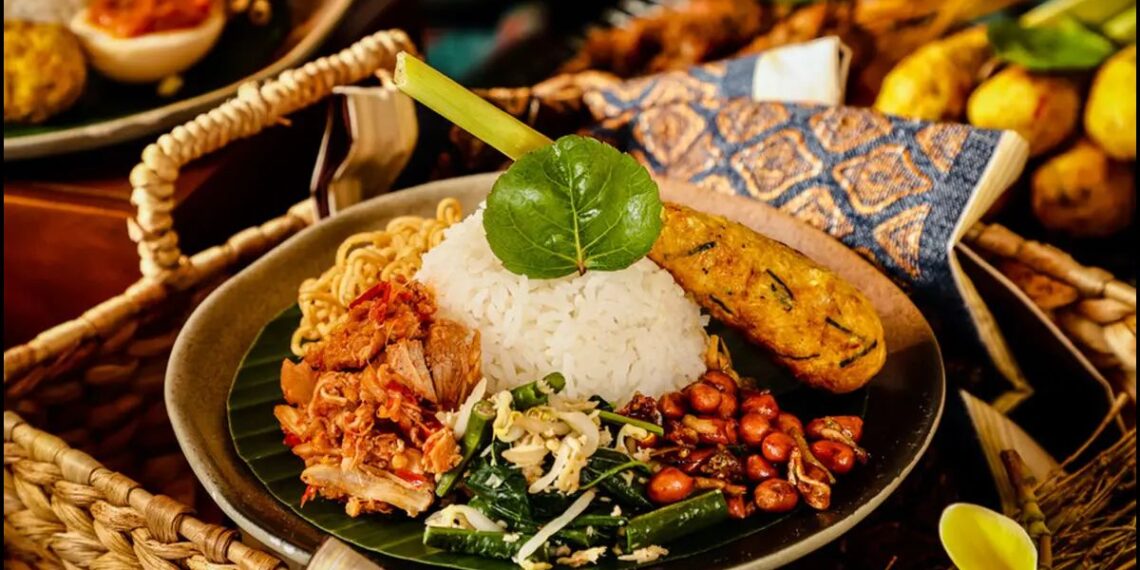
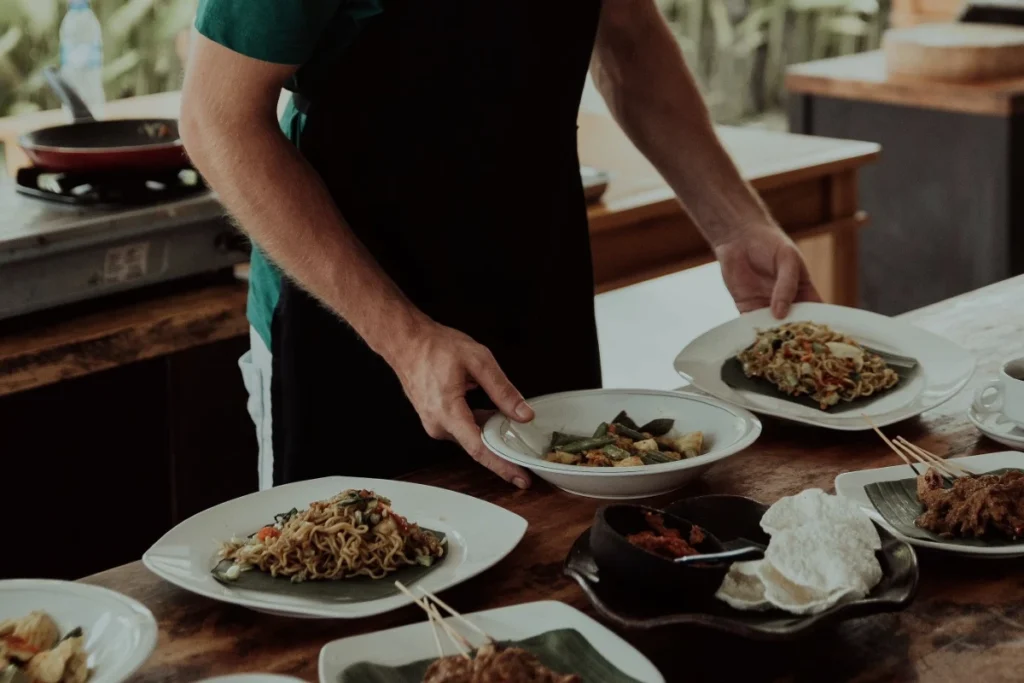
Each participant gets their own cooking station to prepare 4 to 6 classic dishes, such as Ayam Betutu, Sate Lilit, Sambal Matah, Lawar, or Pisang Goreng. - Eating Together
Once the cooking is done, everyone sits down to enjoy the dishes together as lunch or dinner. Most cooking classes in Bali also include a certificate of participation and a recipe book to take home.
The Different Styles of Cooking Class in Bali
Market-Based Classes
These classes introduce you to how locals shop for food. In the morning, you’ll visit a traditional market to pick out and bargain for spices, vegetables, and fresh meat before the cooking starts. It’s a great way to experience a Balinese cooking class through the eyes of a local.
Farm and Garden-Based Classes
Held on rural farms or organic gardens, these classes let you harvest your own ingredients straight from the source. The focus is on the “farm-to-table” concept and cooking with fresh, natural produce. Many cooking class Ubud options fall into this category, thanks to the area’s easy access to farmland.
Home Kitchen and Village Classes
You’ll be welcomed into a local Balinese home to see what everyday life looks like in Bali. These classes give you an authentic look at traditional cooking techniques and local customs around food, making them one of the most personal ways to try a bali cooking class Ubud has to offer.
Resort and Hotel Cooking Schools
Run by five-star hotels or upscale restaurants, these classes take place in modern kitchens with high hygiene standards. You’ll be taught by professional chefs, making it a more exclusive and comfortable option. This is often the go-to choice for a cooking class in Seminyak, where resort-style experiences are common.
Choosing a Cooking Class by Where You Are Staying
Ubud
Ubud is the main hub for cooking classes bali has to offer, with the widest variety of options around. Most classes here combine cooking with organic garden tours, rice paddy views, and visits to traditional Balinese family compounds. Resorts like Kaamala Resort and Maar Resort are known for hosting a great Ubud cooking class against a beautiful backdrop, often ranked among the best cooking class bali options for scenery alone.
Seminyak, Canggu, and Kerobokan
These modern coastal areas offer a more contemporary take, with air-conditioned culinary studios and boutique-style classes. The focus is on practical, hygienic techniques and fusion menus, including healthy options like a vegan cooking class Bali travelers often look for when they want something plant-based.
Sanur, Jimbaran, and Uluwatu
Bali’s southern coast is known for fresh seafood. A cooking class in Sanur, Bali, that visitors join typically covers Balinese seafood specialties, from grilling fish with traditional spices to making sambal matah (raw chili relish), with some exclusive sessions hosted by five-star resorts.
Sidemen, Munduk, and the Gili Islands
These rural areas and small islands offer a quieter, more authentic experience. Classes here use local ingredients harvested straight from nature and traditional cooking tools, all set in a peaceful, rural environment.
Matching a Class to the Kind of Trip You Are On
Traveling with Kids
A family cooking class in Bali is designed to be interactive, safe, and fun, without any high-risk activities. Kids are encouraged to join in on simple tasks, like grinding spices, wrapping food in banana leaves, or making traditional desserts.
Vegetarian, Vegan, and Other Dietary Needs
Most cooking classes in Bali are flexible when it comes to dietary needs. Meat can be swapped for tempeh, tofu, or young jackfruit without losing the authentic flavor of Basa Gede (Balinese spice paste). Gluten-free and Halal options are also available, making it easy to find a vegetarian cooking class in Bali that suits your diet.
Short Stopovers and Half-Day Schedules
If you’re short on time, express classes lasting around 2 to 3 hours are a good option. This format sticks to hands-on cooking, usually two or three main dishes, and skips the market tour or farm visit.
Groups, Couples, and Private Sessions
A private cooking class in Bali offers full flexibility with scheduling, menu choices, and one-on-one attention from the instructor. It’s a good fit for couples wanting a more romantic setting, or groups who need their own dedicated cooking space. For those after a genuine, traditional Balinese cooking class, this format also makes it easier to slow down and go deeper into the techniques behind a real Balinese cooking experience.
What Bali Cooking Classes Typically Cost and How Long They Run
Estimated Costs
- Regular / Group Classes (Local & Ubud): IDR 350,000 – 650,000 (~$22–$40 USD) per person. Includes ingredients, a market tour (for morning sessions), and local area pickup.
- Mid-Range Classes / Culinary Studios: IDR 600,000 – 900,000 (~$38–$58 USD) per person. Held in air-conditioned cooking studios or private organic gardens.
- Five-Star Hotel Classes / Private Sessions: IDR 1,200,000 – 2,500,000+ (~$75–$160+ USD) per person. Comes with professional chef instructors and a fully customized menu.
Duration and Sessions
- Total Duration: Usually 4 to 6 hours, covering the market tour, preparation, cooking, and the meal itself.
- Morning Session (07:30 – 13:00 WITA): The most popular option, since it includes a visit to a traditional market.
- Afternoon/Evening Session (12:30 or 15:30 WITA): Shorter, around 3–4 hours, and skips the market tour to focus on preparing and cooking dinner.
Balinese Dishes and Techniques You Are Likely to Learn
If you’re looking for things to do in Bali that go beyond sightseeing, learning to cook is one of the best ways to get closer to real Balinese food. Here’s what you can expect to make:
- Basa Gede (Bumbu Genep): A signature Balinese yellow spice paste used as the base for almost every local dish.
- Sate Lilit: Minced meat (chicken, fish, or pork) mixed with grated coconut and spices, then wrapped around lemongrass stalks or bamboo skewers.
- Ayam Betutu / Curry: Chicken cooked in a rich blend of spices, then steamed or slow-roasted.
- Lawar or Sayur Urab: A fresh vegetable salad tossed with seasoned grated coconut.
- Sambal Matah: A signature raw Balinese relish made from sliced shallots, chili, lemongrass, and warm coconut oil.
- Dadar Gulung / Bubur Injin: Dessert options — a pandan-flavored rolled crepe filled with palm sugar and coconut, or black glutinous rice pudding.
Cooking Techniques Learned
- Manual Grinding (Mebasa): Grinding firm spices like galangal, ginger, turmeric, and candlenut by hand using a traditional stone mortar and pestle.
- Wrapping Techniques (Ngeseng & Mesambel): Wrapping and steaming food in banana leaves to lock in the aroma.
- Traditional Grilling: Grilling satay over coconut shell charcoal for an authentic smoky flavor.
Booking Timing and What to Bring
Booking Timing
- Book 2–5 Days in Advance: This is especially important during peak seasons (July–August and December–January) or if you want to join a morning class, since spots tend to fill up fast.
- Dietary Requests: Let the organizers know about any vegetarian, vegan, or gluten-free needs, or food allergies, when you sign up. This gives them time to prepare the right ingredients.
What to Bring
- Light, Casual Clothing: Stick to breathable cotton, since the kitchen area and traditional market can get warm.
- Casual Shoes or Comfortable Sandals: Useful for walking through the market or the organic garden, which can get wet.
- Camera or Smartphone: Handy for capturing the cooking process and each recipe step.
- Cash (IDR): For picking up souvenirs or snacks during the market visit.
- Mosquito Repellent & Sunscreen: Worth bringing if you’re joining an open-air or farm-based class.
Frequently Asked Questions About Bali Cooking Classes
- Do participants need prior cooking experience?
No. These classes are open to all skill levels, from complete beginners to experienced cooks. Instructors walk you through every step, from chopping ingredients to the actual cooking techniques. - Are Bali cooking classes suitable for vegetarians or vegans?
Yes. Most cooking classes in Bali offer vegetarian, vegan, and gluten-free options. Meat is usually swapped for tempeh, tofu, or young jackfruit without changing the core spice blends. - Are the dishes prepared in the class halal?
Most classes using chicken or seafood can provide halal ingredients, especially if you request it in advance. If you’re strict about halal status down to the utensils and ingredients, it’s best to choose a class that specializes in halal menus or one that’s fully plant-based. - Can children participate in the cooking classes?
Yes. Many organizers offer family-friendly formats, where kids take part in safe, simple tasks like making sate lilit (minced meat satay), shaping traditional cakes, or picking ingredients from the garden. - What if I have specific food allergies?
Just share the details when booking, whether it’s nuts, seafood, or specific sweeteners. The chef can then adjust the menu or swap in safe alternatives.
Take the Flavors of Bali Home With You
A Bali cooking class is one of the best ways to experience Bali beyond its beaches and temples, giving you hands-on time with local spices, traditional techniques, and a shared meal at the end. Whether you’re drawn to a market tour in Ubud, a seafood-focused session in Sanur, or a private class with a personal chef, there’s a format to fit almost any traveler. For more tips on making the most of your trip, Insight Bali is a solid guide to explore Bali’s best experiences beyond the kitchen.