No visit to Ubud is complete without stopping by the Ubud Art Market, one of the area’s most iconic attractions. Located in the heart of Ubud, this vibrant market is the perfect place to discover handmade crafts, local artwork, and unique Balinese souvenirs while experiencing the island’s rich culture.
In this guide, you’ll learn everything you need to know about the Ubud Art Market, including what to buy, the best time to visit, and helpful tips to make the most of your experience.
Table of Contents
ToggleWhat Is the Ubud Art Market?
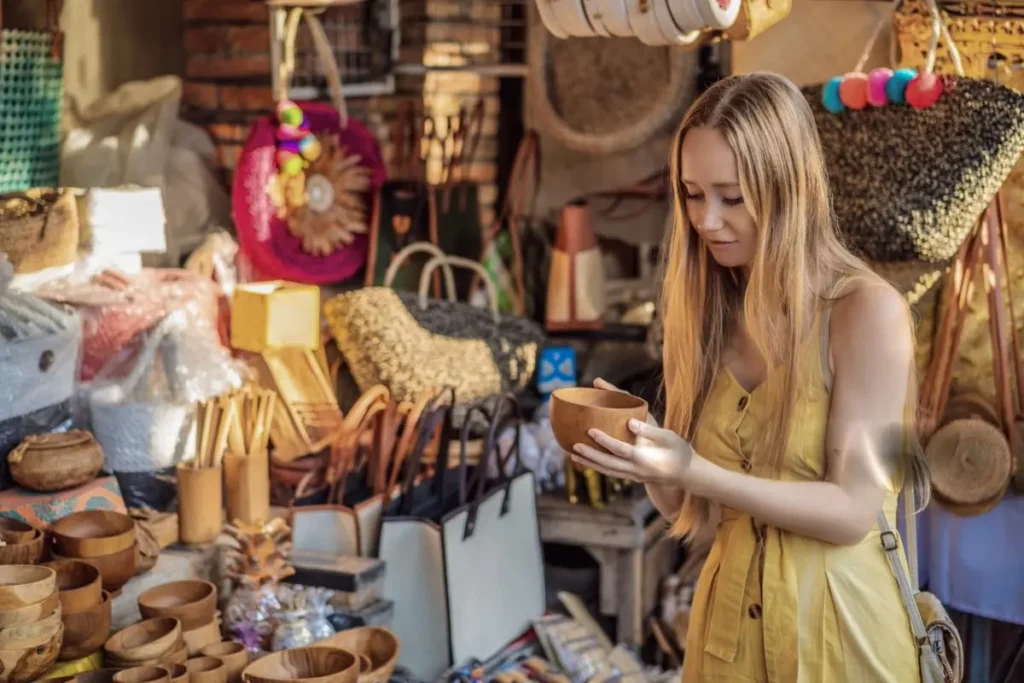
Ubud Art Market, also known as Pasar Seni Ubud, is one of the most popular places to shop for local handicrafts and souvenirs in Bali. Located in the center of Ubud, Ubud Market Bali is a favorite destination for both local and international visitors who want to experience Balinese culture while browsing unique handmade products.
The market is filled with items made by local artisans from Ubud and nearby villages. You can shop for silk scarves, batik clothing, beachwear, Balinese rattan bags (ata bags), woven crafts, paintings, wooden carvings, silver jewelry, and many other traditional souvenirs.
Ubud Market is open daily from 10:00 a.m. to 5:00 p.m. (WITA), giving visitors plenty of time to explore its colorful stalls and find memorable keepsakes.
Where It Is and How to Get There
The Ubud Traditional Art Market, also known as the Bali Art Market in Ubud, is located in the heart of Ubud at Jalan Raya Ubud No. 35, Ubud, Gianyar, Bali. The Ubud Art Market location is easy to find, as it sits directly across from Ubud Palace (Puri Saren Agung), making it a convenient stop while exploring the town.
The easiest way to reach the market is by renting a motorbike or car, hiring a private driver, or using ride-hailing services like Grab or Gojek. Public transportation to central Ubud is limited, so these options are the most practical for visitors.
Here are the estimated travel times from some of Bali’s most popular areas:
- From Ngurah Rai International Airport
The drive takes around 1 hour 15 minutes. The fastest route is via the Bali Mandara Toll Road, followed by Jalan Bypass Ngurah Rai and the main road through Batubulan, Sukawati, and Mas before arriving in central Ubud. - From Kuta
Expect a journey of around 1 hour 20 minutes. The usual route passes through Sunset Road, Batubulan, and Gianyar before continuing to Jalan Raya Ubud. - From Seminyak
Travel time is about 1 hour 15 minutes. Drive through Sunset Road or Kerobokan, continue via Denpasar and Batubulan, then follow the signs toward Ubud. - From Canggu
It takes approximately 1 hour 15 minutes to reach the market. Most routes pass through Mengwi or Abiansemal before entering Ubud from the Sayan area. - From Denpasar
If you’re staying in central Denpasar or Renon, the trip usually takes 45 minutes to 1 hour, depending on traffic. Simply follow the main road through Batubulan and continue north toward Ubud.
Keep in mind that the area around the Ubud Traditional Art Market can get quite busy, especially during the afternoon and early evening. Parking is limited, so using a motorbike or asking your taxi or private driver to drop you off near Ubud Palace is often the easiest option.
Best Time to Visit Depending on Your Goals
The best time to visit Ubud Art Market depends on what you want to do. Whether you’re planning to shop, take photos, or simply enjoy the atmosphere, here’s a simple guide to help you choose the right time.
- For the Best Shopping Deals
Best Time: 10:00 a.m. – 11:00 a.m.
If you’re interested in Ubud Art Market bargaining, arrive shortly after the market opens. Many local sellers believe the first sale of the day brings good luck, so they’re often more willing to negotiate and offer better prices. - To Avoid Crowds
Best Time: 10:00 a.m. – 11:30 a.m.
Morning is the perfect time to explore the Ubud traditional market before it gets busy. The weather is cooler, and most tour groups haven’t arrived yet, making it easier to browse the shops at your own pace. - For Photos and a Beautiful Atmosphere
Best Time: 3:30 p.m. – 5:00 p.m.
The late afternoon light creates a warm golden glow, making the colorful stalls, handmade crafts, and rattan bags look even more beautiful. It’s one of the best times for photography while enjoying Ubud shopping. - For a Relaxed Shopping Experience
Best Time: 2:00 p.m. – 3:30 p.m.
After the lunchtime rush, the market usually becomes a little quieter. If you prefer a more relaxed atmosphere without the morning crowds, this is another great time to explore the Ubud traditional market.
Practical Tips Before You Go
To make your visit to the market more enjoyable, here are a few simple tips to keep in mind.
- Bring Cash and Be Ready to Bargain
Most vendors only accept cash in Indonesian Rupiah (IDR), so it’s a good idea to carry small bills like IDR 10,000, 20,000, and 50,000. While there is no Ubud Art Market entrance fee, you’ll probably want to shop for Ubud souvenirs, so having cash makes payments much easier.
Don’t be afraid to negotiate, as Ubud Art Market prices are often flexible. Just remember to bargain politely and always with a smile. - Follow Local Shopping Etiquette
If you’re shopping in the morning and a seller agrees to your offer, it’s considered polite to complete the purchase. Many local vendors believe the first sale of the day brings good luck, so canceling after agreeing on a price is generally avoided.
If you can’t reach a price that works for both of you, simply thank the seller and continue to another stall. - Dress Comfortably
Wear light, breathable clothing because the market can get warm, especially during the middle of the day. Comfortable shoes or sandals are recommended since you’ll be walking around the market for a while.
Bringing your own reusable shopping bag is also a good idea if you plan to buy several Ubud souvenirs. - Plan Your Transportation
Ubud Art Market parking is quite limited, and the roads around Jalan Raya Ubud are often busy. If you’re driving, you may need to park a short walk away, such as at the Ubud Central Parking area.
If you’re using Grab, Gojek, or a private driver, the easiest option is to be dropped off near Ubud Palace, which is directly across from the market.
What You Will Actually Find inside the Market
One of the best things to do in Ubud is exploring the market and discovering a wide variety of handmade products created by local artisans. Whether you’re looking for souvenirs, gifts, or something to wear during your trip, there’s plenty to choose from.
Handwoven Rattan Bags and Baskets
The famous Balinese ata bag is one of the market’s most popular items. These handwoven rattan bags are lightweight, durable, and made using a traditional smoking process that helps preserve the material. Besides the classic round design, you’ll also find tote bags, square bags, and decorative baskets for your home.
Traditional Clothes and Resort Wear
If you’re looking for traditional clothes or comfortable outfits for your Bali holiday, the market has many options. You can shop for batik shirts, Balinese sarongs, lightweight dresses, tropical resort wear, colorful scarves, and beach wraps that are perfect for Bali’s warm weather.
Balinese Wood Carvings and Artwork
The market is also a great place to admire handmade art from Ubud and nearby artisan villages. You’ll find beautiful paintings, wooden sculptures, traditional masks, wall decorations, and handcrafted wooden bowls that make unique souvenirs or home décor.
Silver Jewelry and Handmade Crafts
Ubud Art Market is well known for its handcrafted silver jewelry, inspired by the traditional silversmiths of Celuk Village. Browse rings, bracelets, earrings, keychains, dream catchers, woven coasters, macramé decorations, and many other handmade gifts to take home.
After exploring the market, you can continue your day by visiting nearby attractions or stopping at a place to eat in Ubud, as many cafés and restaurants are just a short walk away from the market.
Pairing the Market With the Rest of Ubud
If you’re spending one day in Ubud, the Ubud Art Market is the perfect place to include in your itinerary. Since it’s located in the heart of town, you can easily combine shopping with cultural attractions, nature, and great dining spots. Here are some of the best places to visit nearby.
- Visit Ubud’s Cultural Landmarks (Walking Distance)
The market is surrounded by some of Ubud’s most famous attractions, so you can explore them on foot.- Pura Taman Saraswati: Just a 2–3 minute walk from the market, this beautiful temple is known for its lotus pond and peaceful atmosphere, making it a favorite photo spot.
- Ubud Palace (Puri Saren Agung): Located directly across from the market, this historic palace is a great place to admire traditional Balinese architecture during the day. In the evening, you can also watch a traditional Balinese dance performance.
- Explore Nature Near the Town Center
If you’re wondering what to do in Ubud after shopping, several nature attractions are only a few minutes away.- Sacred Monkey Forest Sanctuary: About a 5–10 minute walk from the market, this protected forest is home to hundreds of playful long-tailed monkeys. The walk there is also enjoyable, with plenty of cafés and boutique shops along Monkey Forest Road.
- Campuhan Ridge Walk: This scenic walking trail is perfect if you enjoy nature and gentle hikes. Visit in the morning while the weather is still cool, then return to central Ubud for lunch, shopping, and exploring the market.
- Discover the Famous Rice Terraces
If you have more time during your one day in Ubud, drive about 20–30 minutes north to visit the iconic Tegalalang Rice Terraces. You can enjoy the beautiful scenery, try the famous Bali Swing, and then return to central Ubud in the afternoon to browse the market. This route gives you a great mix of nature, culture, and shopping in a single day. - Stop for a Great Meal
After exploring the market and nearby attractions, take a break at one of the many cafés or restaurants in central Ubud. If you’re wondering where to eat, you’ll find everything from traditional Balinese dishes to international cuisine within walking distance of the market, making it easy to end your day with a memorable meal.
Frequently Asked Questions About Ubud Art Market
- Can you bargain at Ubud Art Market?
Yes! Bargaining is a normal part of shopping at the market. A common starting point is to offer around 50% to 70% of the first price, then negotiate politely until both you and the seller agree on a fair price. - Do vendors accept credit cards or QRIS?
Some larger shops accept QRIS or card payments, but most traditional stalls still prefer cash. It’s a good idea to bring Indonesian Rupiah in small bills to make shopping easier. - How much time should I spend at the market?
Most visitors spend 1–2 hours exploring the market. This gives you enough time to browse the stalls, shop for souvenirs, and enjoy the bargaining experience. - What are the Ubud Art Market opening hours in 2026?
The Ubud Art Market opening hours in 2026 are generally 10:00 a.m. to 5:00 p.m. (WITA). For the best shopping experience and better bargaining opportunities, try to visit between 10:00 a.m. and 11:00 a.m., shortly after the market opens. - Where can I park if I’m driving?
Parking near the market is limited, especially during busy hours. If you’re driving, it’s easiest to park at Ubud Central Parking or the official parking area near Monkey Forest, then walk or take a short local taxi ride to the market. Motorbike parking is also available around the nearby streets. - Is there an Ubud Art Market entrance fee?
No. There is no Ubud Art Market entrance fee, so you can explore the market free of charge. The only cost you may need to pay is for parking if you arrive by motorbike or car.
Let Ubud Art Market Lead You Deeper into Bali’s Craft Culture
The Ubud Art Market is more than just a place to shop, it’s one of the best places to experience Bali’s local culture, discover handmade crafts, and support talented local artisans. Whether you’re searching for unique souvenirs or simply want to soak up the vibrant atmosphere, the Ubud Art Market is definitely worth visiting during your time in Ubud. For more travel inspiration, local tips, and the best guides to explore Bali, keep following Insight Bali.