What is arak Bali goes far beyond a traditional alcoholic drink. In Bali, arak is deeply rooted in everyday life and culture, serving both spiritual and practical purposes. It is commonly used in religious ceremonies as a sacred offering to help maintain balance between humans, nature, and the spiritual realm.
Outside of rituals, arak is also part of traditional wellness practices, often used to warm the body or blended with herbs as a natural remedy.
This article explores the cultural significance and everyday uses of Balinese arak, from sacred traditions to modern appreciation. It serves as a complete guide to understanding Bali’s iconic traditional spirit and its enduring role in local life.
Table of Contents
ToggleWhat exactly is Arak Bali?
Arak Bali is a traditional Balinese spirit made by distilling fermented sap from palm trees, a process passed down through generations. Its alcohol level usually sits between 30% and 50%, depending on how many times it’s distilled, with more distillation creating a cleaner, stronger result.
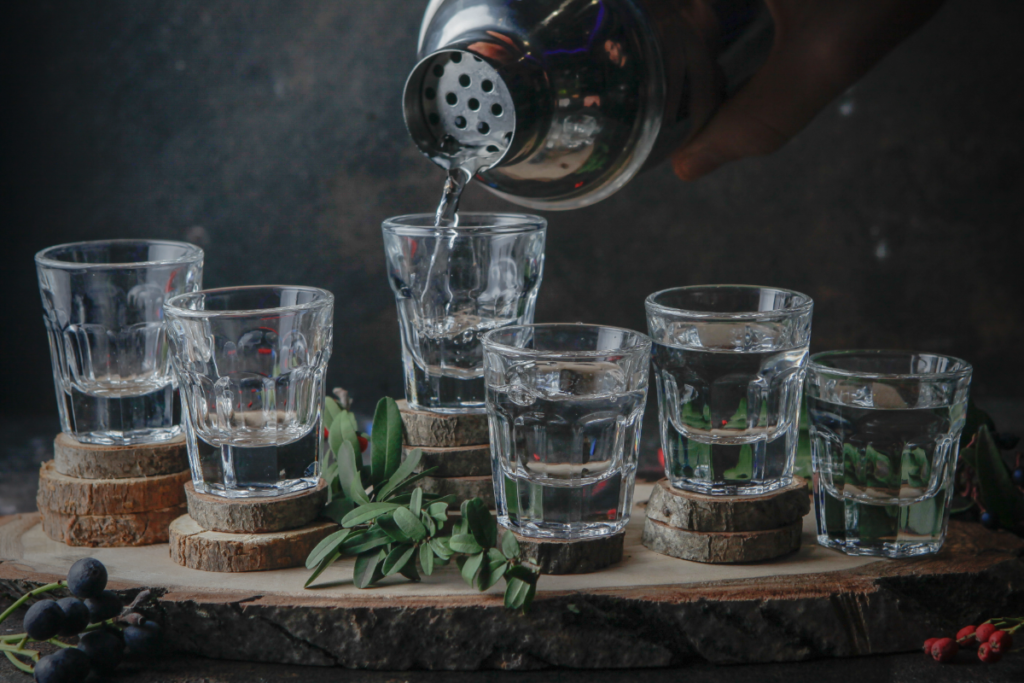
Clear in appearance like Vodka, Bali arak has a bold character, marked by earthy, slightly smoky aromas that reflect its natural origins.
Today, arak Bali is more than a local drink. It has been officially recognized as an Intangible Cultural Heritage by Indonesia’s Ministry of Education and Culture, with specific regulations in Bali to ensure quality and safety.
This recognition has also opened the door for modern Balinese mixology, where bali arak is now creatively used in contemporary cocktails while still honoring its cultural roots.
How Arak Bali is Made: From Palm to Bottle
The way arah Bali is made is a hands-on tradition, shaped by patience, skill, and knowledge passed down through generations. From tree to bottle, each step reflects the soul of this drink, now enjoyed not only in villages but also reimagined in modern nightclubs in Bali.
- Tapping the Sap (Mabase)
The journey starts high above the ground. Artisans climb coconut palm, sugar palm, or lontar trees twice a day to collect fresh sap from the flower stems. The sweet liquid drips into bamboo containers called bumbung, a practice that requires both strength and precision. - Natural Fermentation
The fresh sap is poured into barrels and left to ferment naturally. Local ingredients like coconut fiber or special tree bark are added to encourage fermentation.
After two to three days, the liquid turns into tuak, a mildly alcoholic base that becomes the foundation of arak drink. - Traditional Distillation
The fermented liquid is slowly heated over a wood fire. As it boils, alcohol vapor rises and travels through bamboo pipes.
These pipes are cooled with water, allowing the vapor to condense into clear drops of Balinese alcohol, known as arak. This stage demands careful control of heat and timing. - Strength & Quality Selection
The first liquid collected is the strongest and most potent, often called arak api. As the process continues, the alcohol level gradually lowers. Each batch is separated based on strength, creating different grades of arak. - Purification & Bottling
For legally produced arak today, the spirit goes through filtration and lab testing to ensure it’s safe and clean. Once approved, it’s bottled and ready to be enjoyed, both as a traditional Balinese spirit and as a modern ingredient in cocktails served across Bali’s bars and nightlife scene.
Types of Arak You’ll Find in Bali
Here’s a simpler, more approachable way to understand the different types of arak, one of Indonesia’s most distinctive Indonesian spirits, enjoyed both traditionally and in modern mixes.
- Based on Raw Ingredients
- Coconut Arak
This is the most common style of traditional arak. The aroma is clean and relatively neutral, almost vodka-like, which makes it a favorite base for modern arak cocktails. - Lontar Arak
Commonly found in East Bali, especially Karangasem. This version has a bolder aroma with a sharper edge and a gentle natural sweetness that lingers at the end. - Aren Arak
Made from aren palm sap, this type delivers the most complex character. It has a deep, earthy aroma and a flavor that stands out compared to coconut-based arak.
- Coconut Arak
- Based on Strength & Quality
- Arak Api (Top Grade)
The first distillation and the strongest form, often reaching 50% alcohol or more. Traditionally known as arak api, it earned its name because it can briefly ignite when lit. This type is usually reserved for rituals or very small servings. - Arak No. 2 & No. 3
These later distillations have a lower alcohol level, around 20–30%. The taste is lighter and smoother, making them more suitable for casual drinking or homemade arak mixes.
- Arak Api (Top Grade)
- Based on Flavor Style
- Infused Arak
Pure arak infused with natural ingredients like orange peel, cinnamon, snake fruit, or honey. The result is smoother, more aromatic, and easier to enjoy for those new to arak. - Legal & Branded Arak
Today, several certified brands have elevated arak into a modern spirit category. Produced with controlled methods and safety standards, these versions offer consistent flavor and are widely used in bars for refined arak cocktails.
- Infused Arak
The Cultural Role of Arak Bali
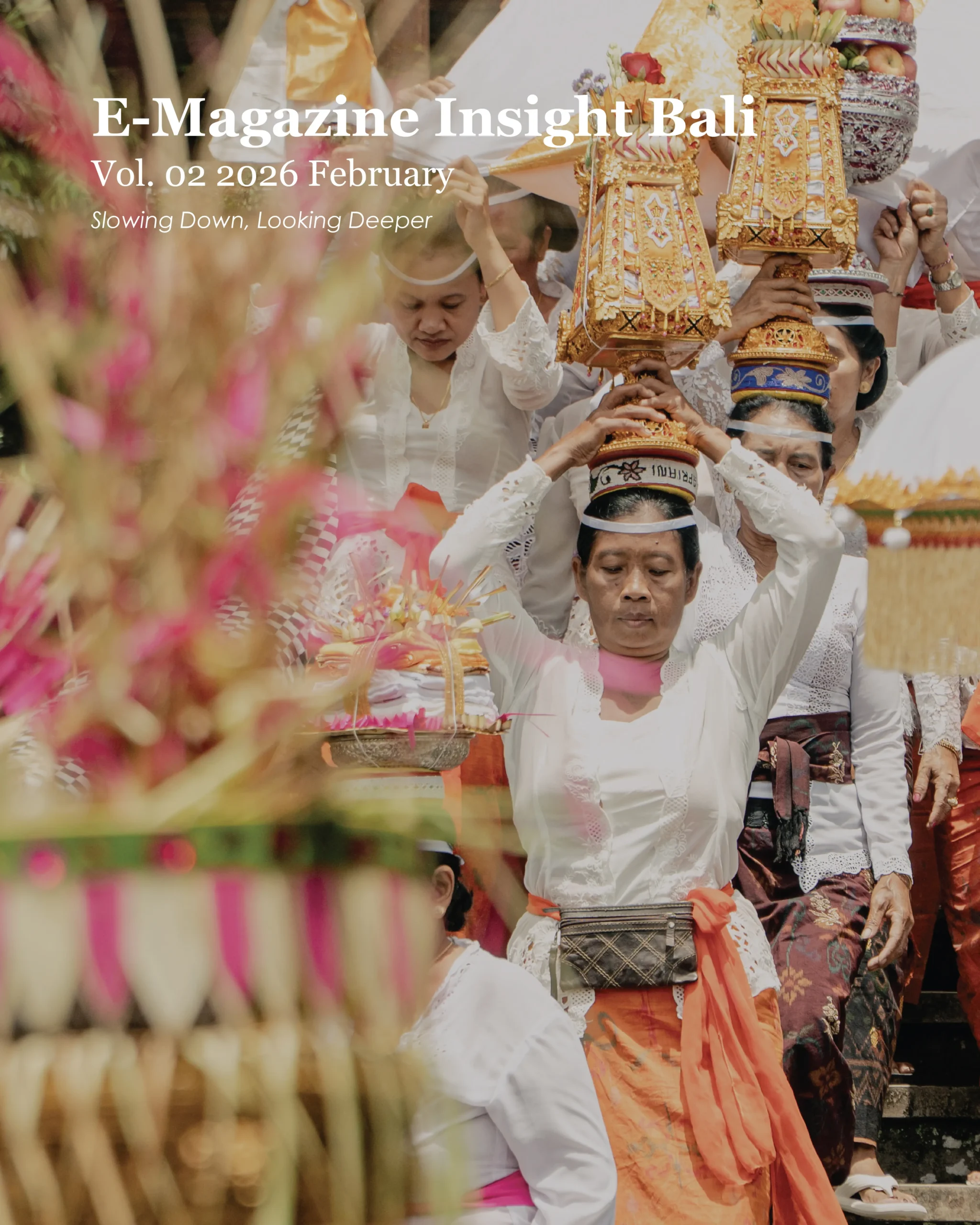
Balinese arak carries deep meaning beyond being a drink. As an arak Bali spirit, it plays an important role in spiritual life, often used in sacred rituals as an offering to maintain harmony between humans, nature, and the unseen world. It also reflects a strong sense of togetherness within the community.
In daily life, sharing local arak represents brotherhood and equality, known through the tradition of menyama braya, where everyone sits together without social boundaries.
From an economic point of view, arak production showcases local wisdom in using natural resources, a heritage now officially recognized as part of Indonesia’s Intangible Cultural Heritage.
Arak is also valued for its practical uses, including traditional remedies to warm the body and support wellness. More than just alcohol, it is a living cultural legacy that continues to be respected and passed down through generations.
The Safety Question: Is Arak Bali Dangerous?
Pure, authentic Balinese arak is generally safe to enjoy when consumed in moderation. Most of the dangers people hear about are not caused by the drink itself, but by how it is made.
Issues usually arise when arak is produced carelessly by untrained makers or mixed with unsafe substances to make it feel stronger. This can lead to methanol contamination, which is dangerous and not part of traditional or properly crafted arak. When made correctly and enjoyed responsibly, arak is meant to be appreciated as a cultural spirit, not feared.
Where and How Arak is Consumed in Bali
Where Arak Is Enjoyed in Bali
- Temples and ceremonial spaces
In spiritual settings, arak is sipped in very small amounts as part of ritual moments, often after ceremonies. Here, this traditional drink carries symbolic meaning tied to balance and inner cleansing, not casual drinking. - Balai banjar and family homes
This is where arak truly becomes social. In the late afternoon or evening, locals gather to relax, chat, and share stories over a glass. These moments reflect everyday community life and keep traditions alive. - Small local warung
In villages, simple roadside stalls sell arak sourced directly from farmers. These places are where people unwind after work, enjoying an affordable drink whose price is usually modest and based on local production. - Modern bars and beach clubs
In areas like Seminyak, Canggu, or Jimbaran, arak has found a new expression. Crafted from fermented palm sap, it now appears in refined cocktails served at stylish bars, blending tradition with contemporary mixology in a way that appeals to locals and visitors alike.
How Arak Is Commonly Enjoyed
- Traditional style (straight)
Locals often drink arak neat from a small shared glass called a seloki. One person pours, takes a sip, then passes the glass along. This simple ritual reflects togetherness and equality, letting everyone enjoy the same taste and moment. - Arak Attack (easy mix)
A longtime favorite since the 1990s, this version mixes arak with orange juice and a touch of grenadine. The result is fresh and fruity, softening the bold arak Bali taste and making it easier to enjoy, especially for first-timers. - Arak Madu (classic local mix)
This comforting blend combines arak with honey and lime juice. Smooth, slightly sweet, and warming, it’s often enjoyed in the evening and is believed by locals to help soothe the body. - Modern craft cocktails
Today, arak made from fermented palm sap, including coconut-based arak, appears in creative cocktails at bars. Bartenders infuse it with fruits, spices, or flowers, then turn it into refined drinks like Arak Martinis or Arak Sours, giving this traditional spirit a modern twist.
Frequently Asked Questions About Arak Bali
- Potency and Alcohol Level
Balinese arak falls into the category of strong spirits. The effect can be felt quite fast, especially when it’s enjoyed neat.
For many people, the first sip brings a noticeable warmth in the throat and chest, which is why locals usually drink it slowly and with intention. When enjoyed responsibly, arak alcohol Indonesia is meant to be savored, not rushed. - Alcohol Percentage
The alcohol strength of arak varies depending on how many times it’s distilled. In general, arak Bali alcohol percentage ranges between 30% and 50%.
Legally produced and bottled arak is usually standardized at around 40%, putting it on the same level as vodka or international whiskey, and making it safer and more consistent compared to homemade versions often linked to stories about arak Bali dangerous. - Taste Profile
In terms of flavor, Balinese arak is clear and clean like vodka, but far more aromatic. It carries earthy and slightly smoky notes, followed by a gentle natural sweetness that comes from the fermented palm or coconut sap. The taste feels bold yet distinctive, giving arak its unmistakable local character. - Legal Status of Balinese Arak
Balinese arak is fully legal today. Since the introduction of Bali Governor Regulation No. 1 of 2020, its production and distribution are officially protected as part of Bali’s cultural heritage and local economy.
To stay safe, always choose arak that carries an official label, excise stamp, and BPOM registration, ensuring quality, safety, and a responsibly produced local spirit. - For First-Timers
Arak can be beginner-friendly when enjoyed the right way. Start slow, choose a properly bottled and labeled product, and keep your portions modest, because Balinese arak can make you drunk faster than expected.
Many first-timers prefer it mixed with honey, lime, or fruit juice to soften the aroma and make it easier to enjoy, especially after a long day exploring what to do in Bali. - About Legality in Bali
Balinese arak is fully legal and protected under Bali Governor Regulation No. 1 of 2020, which supports local artisans and preserves cultural heritage. To stay safe, always buy arak that is officially registered and sealed.
When enjoying it at bars or restaurants, basic tipping in Bali etiquette applies, tips are appreciated for good service, but not mandatory.
Understanding what arak Bali is means seeing it as more than a strong local drink. It is a cultural symbol, a spiritual offering, a social bond, and a traditional craft that has evolved into modern Balinese life.
When enjoyed responsibly and sourced from legal producers, arak reflects Bali’s heritage in its purest form, connecting the past with today’s bars, rituals, and everyday moments. For deeper stories, local insights, and trusted recommendations on Bali’s culture, food, and lifestyle, explore Bali with Insight Bali as your go-to guide.