Specialty coffee Bali is known for its unique flavors and rich character. One of the most famous is Kintamani coffee, which has a fresh citrus note thanks to being grown near orange plantations. Bali is also known for its civet coffee, famous for its distinctive process and smooth, refined taste.
In this article, you’ll explore the world of Balinese specialty coffee in a simple and easy way. From the highlands of Kintamani to the café scene in Canggu, here’s a guide to help you understand and choose the right coffee to try in Bali.
Table of Contents
ToggleBali’s Coffee Roots Before the Specialty Era
Long before today’s coffee trends, coffee was already part of daily life in Bali. It first arrived in the early 19th century through traders and grew steadily under small local farms, especially in the fertile highlands of Kintamani. This is where Kintamani coffee comes from, known for its balanced taste shaped by the region’s rich volcanic soil.
What makes Balinese coffee special is the Subak Abian system, a traditional farming method based on the philosophy of Tri Hita Karana, which focuses on harmony between people and nature. Farmers have long grown coffee alongside citrus trees, which naturally gives the beans their light citrus notes, something that even the best coffee roaster Bali still highlights today.
Back then, coffee wasn’t about presentation or café culture. It was something shared within the community, often enjoyed during gatherings and daily conversations. More than just a drink, coffee played an important role in connecting people and supporting local livelihoods.
The Turning Point When Third Wave Coffee Arrived in Bali
The rise of third wave coffee in Bali started around the early 2010s, when the focus shifted from simply drinking coffee to truly appreciating its quality, flavor, and presentation. This change became more visible with the growth of specialty coffee Canggu and Seminyak, where cafés began introducing manual brewing methods like V60 and cold brew, creating a more refined coffee experience.
At the same time, many coffee businesses began working directly with local farmers in Kintamani to improve quality and consistency. This helped change the perception of Balinese coffee, showing that it could offer complex flavors like fruity and floral notes. Today, if you’re wondering where to buy coffee beans in Bali, you’ll find many local roasteries that focus on transparency and quality sourcing.
With skilled baristas and a growing café culture, coffee in Bali has become more than just a daily habit, it’s now part of the island’s lifestyle. It’s even become a highlight in many Bali food tour experiences, where visitors can explore the story behind each cup while enjoying modern techniques rooted in local tradition.
The Role of Kintamani in the Specialty Coffee Bali Identity
- Recognized Origin and Quality
Kintamani was the first region in Indonesia to receive Geographical Indication (GI) certification in 2008. This means its coffee is officially recognized for having unique characteristics that set it apart, something often highlighted alongside famous beans like coffee bali luwak. - Fresh and Citrus Flavor Profile
Thanks to the traditional farming method where coffee grows alongside citrus trees, Kintamani Arabica has a naturally fresh and slightly fruity taste. This clean flavor is one reason it’s popular in the specialty coffee Ubud scene. - Sustainable Farming Tradition
Coffee in Kintamani is grown using the Subak Abian system, a community-based approach that focuses on balance with nature. These sustainable practices help maintain consistent quality while preserving the environment. - Innovation in Processing Methods
Farmers in Kintamani continue to experiment with different processing techniques like honey, natural, and anaerobic methods. This allows them to create a wide range of flavors, from light and fruity to deeper and more complex profiles. - A Growing Coffee Tourism Destination
With views of Mount Batur and beautiful natural surroundings, Kintamani has become a popular place for coffee tourism. Many visitors include it in their itinerary, whether after visiting a brunch spot in Ubud or combining it with bali’s fine dining experiences, making it easier to connect directly with the story behind each cup.
From Farm to Cup The Specialty Coffee Ecosystem
The coffee scene in Bali has grown into a connected and thoughtful ecosystem, where every step, from farm to cup, plays an important role in quality and experience. Here’s a simpler look at how it all comes together:
Farmers and Micro Lot Coffee
Many farmers in Bali are now focusing on micro lot production, which means taking extra care of smaller batches of coffee from a single area. They carefully pick only fully ripe cherries and experiment with fermentation methods to bring out unique flavors.
Because of this system, every batch can be traced back to the exact farm and farmer, adding a sense of story and authenticity that you’ll often find when enjoying specialty coffee Seminyak or even the best specialty coffee Bali has to offer.
Local Roasters in Bali
Roasters play a key role in shaping how the coffee finally tastes. In Bali, most roasters prefer light to medium roasting to highlight the natural fruity and floral notes of local beans like Kintamani.
Their work ensures a steady supply of fresh beans to many of the best coffee shops in Bali, making it easier to enjoy a great cup whether you’re out for a casual top brunch or just escaping a rainy day.
Baristas and Brewing Experience
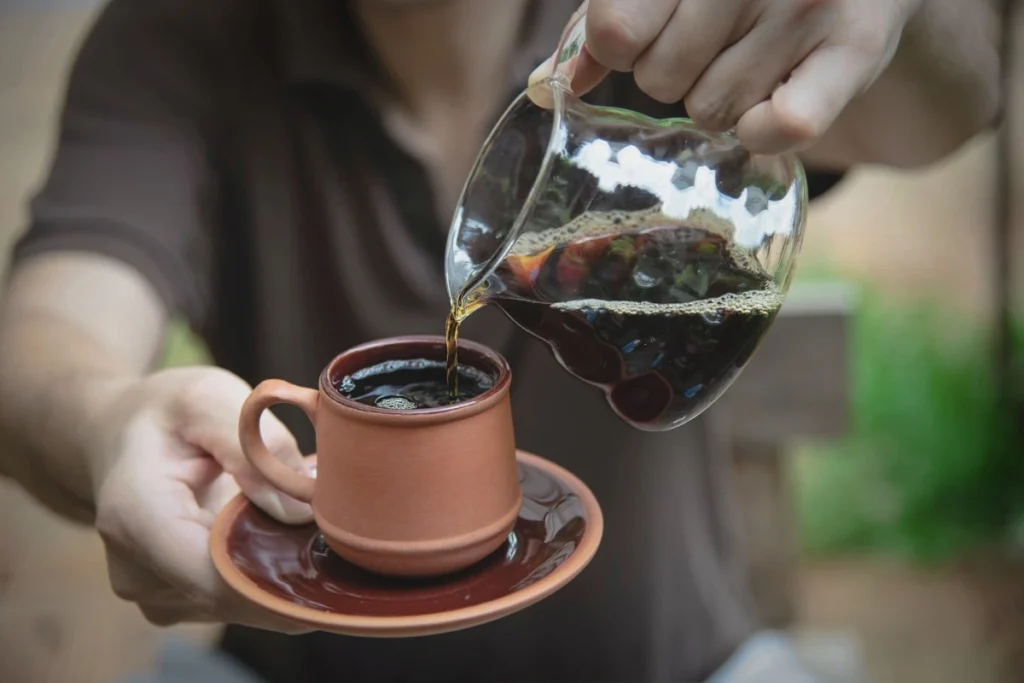
Baristas are the final touch in the journey. They use both espresso machines and manual brewing methods like V60, Chemex, and Aeropress to bring out the best in each bean.
Beyond making coffee, they also share knowledge, explaining origins, flavors, and processes, so every visit feels more meaningful, especially when you’re exploring the best coffee shops in Bali or pairing your drink with a relaxed brunch experience.
Why Specialty Coffee Shops Are Thriving in Canggu and Ubud
Canggu and Ubud have naturally become the heart of Bali’s coffee scene, especially when it comes to specialty coffee in Canggu and specialty coffee in Ubud. The growth here isn’t random; it’s shaped by the people, lifestyle, and overall vibe of these areas.
Here’s why coffee culture is thriving in both places:
- A Strong Digital Nomad Community
Canggu and Ubud are filled with remote workers, creatives, and entrepreneurs from all over the world. Coffee shops here aren’t just about caffeine, they offer fast Wi-Fi, comfortable spaces, and a great atmosphere to work from, making them part of daily life. - Focus on Quality and Well-Being
People who spend time in Ubud often look for organic, mindful experiences, while Canggu visitors tend to follow global lifestyle trends. This makes high-quality coffee, especially those with clear origins and natural processing, more appealing and aligned with their values. - Cafés as Social and Creative Spaces
Coffee shops in these areas double as social hubs. Whether it’s meeting new people, working on projects, or just hanging out, cafés play a big role. Add in thoughtfully designed interiors, and it’s no surprise many of them become popular spots on social media. - Close Connection to Local Coffee Farms
Both areas are relatively close to Kintamani, Bali’s main coffee-producing region. This makes it easier for café owners to source fresh beans and even collaborate directly with farmers, creating unique flavors you won’t find anywhere else.
In the end, it’s this mix of community, lifestyle, and access to great beans that keeps specialty coffee Canggu and specialty coffee Ubud growing so quickly.
Is Kopi Luwak Really Specialty Coffee?
Kopi Luwak is widely known as the most famous coffee in Bali, often attracting curious travelers from around the world. Among many local coffee varieties, it stands out for its unusual process and premium reputation, yes, coffee luwak is real.
The luwak instinctively chooses only the ripest coffee cherries. Inside its stomach, natural enzymes break down the beans in a way that changes their structure, resulting in a smoother taste with lower acidity. After the beans are excreted, they are carefully collected, thoroughly cleaned, and then roasted like regular coffee.
That’s why kopi luwak is so expensive. The production is naturally limited, as it depends on how many cherries the animal consumes and processes, resulting in a very small yield. In addition, the process requires careful collection, thorough cleaning, and precise roasting, making it labor-intensive. Combined with its rarity and unique production method, these factors contribute to its high price.
Sustainability and Transparency in Bali’s Coffee Scene
Sustainability and transparency have become a big part of Bali’s coffee scene today. People care more about where their coffee comes from and how it’s made, so the industry is evolving to be more responsible, both environmentally and socially.
Here’s how that looks in Bali:
- Direct Trade Relationships
Many cafés and roasters now work directly with farmers instead of going through middlemen. This means farmers get fairer prices, and coffee quality can be better controlled from the very beginning. - Eco-Friendly Practices
Coffee shops, especially in places like Canggu and Ubud, are becoming more mindful of their impact. You’ll see less plastic, more biodegradable materials, and creative ways to reuse coffee waste, like turning used grounds into compost or even skincare products. - Clear and Honest Sourcing
It’s now common to see details like farm location, altitude, and harvest date on coffee packaging. This kind of transparency helps people feel confident that what they’re drinking is responsibly sourced. - Supporting Local Farmers
The focus isn’t just on selling coffee anymore, it’s also about supporting the people behind it. Many initiatives now help farmers learn sustainable techniques and improve their production, making coffee farming more stable and appealing for future generations.
Where to Experience Specialty Coffee in Bali Today
Ubud: Culture and Learning
Ubud is the place to go if you want a deeper, more meaningful coffee experience. Many cafés here focus on education and building a connection with local farmers.
- Seniman Coffee is one of the pioneers of Bali’s third-wave coffee movement, with its own roastery and a wide range of manual brewing options.
- Anomali Coffee Ubud is perfect if you want to explore beans from across Indonesia and compare different regional flavors, including Bali.
Canggu & Seminyak: Lifestyle and Innovation
In coastal areas like Canggu and Seminyak, coffee is part of a modern lifestyle. Think stylish interiors, skilled baristas, and a more trend-driven scene.
- Expat. Roasters Canggu is known for its precise brewing and consistent quality, making it a favorite for serious coffee lovers.
- Revolver Espresso stands out with its iconic design and bold espresso, offering a taste of Bali’s contemporary coffee culture.
Kintamani: Coffee at the Source
If you want to experience coffee in its purest form, Kintamani is the place to be. Here, you can see how coffee goes from farm to cup.
- AKASA Specialty Coffee lets you enjoy fresh Kintamani coffee with stunning views of Mount Batur.
- Paper Hills offers a more modern setting while highlighting the bright, citrusy flavors that Kintamani coffee is known for.
The Future of Specialty Coffee in Bali
In the end, specialty coffee bali is more than just a drink; it’s a full journey from local farms in Kintamani to modern cafés in Canggu and Ubud, shaped by culture, community, and innovation. Whether you’re exploring flavors, café culture, or the story behind each cup, Bali offers a rich and meaningful coffee experience, and for the best guide to explore it all, you can always rely on Insight Bali.